From sustainable crating tips to on-site reports from major art fairs and exhibition installations, get the inside view on how Eythos unpacks the art world.


Eythos news
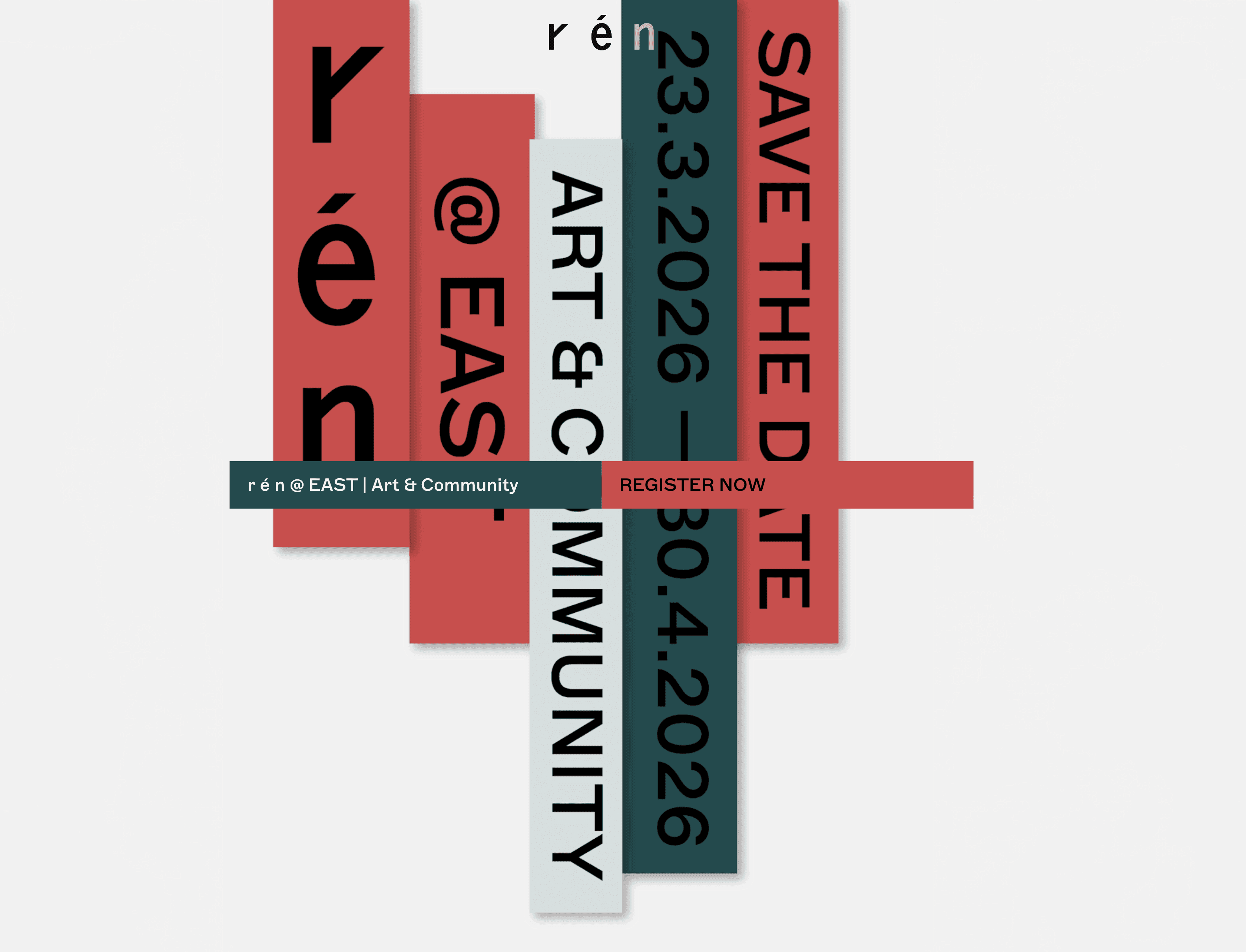
r é n @ EAST | Art & Community

Zohra Azi
Eythos news
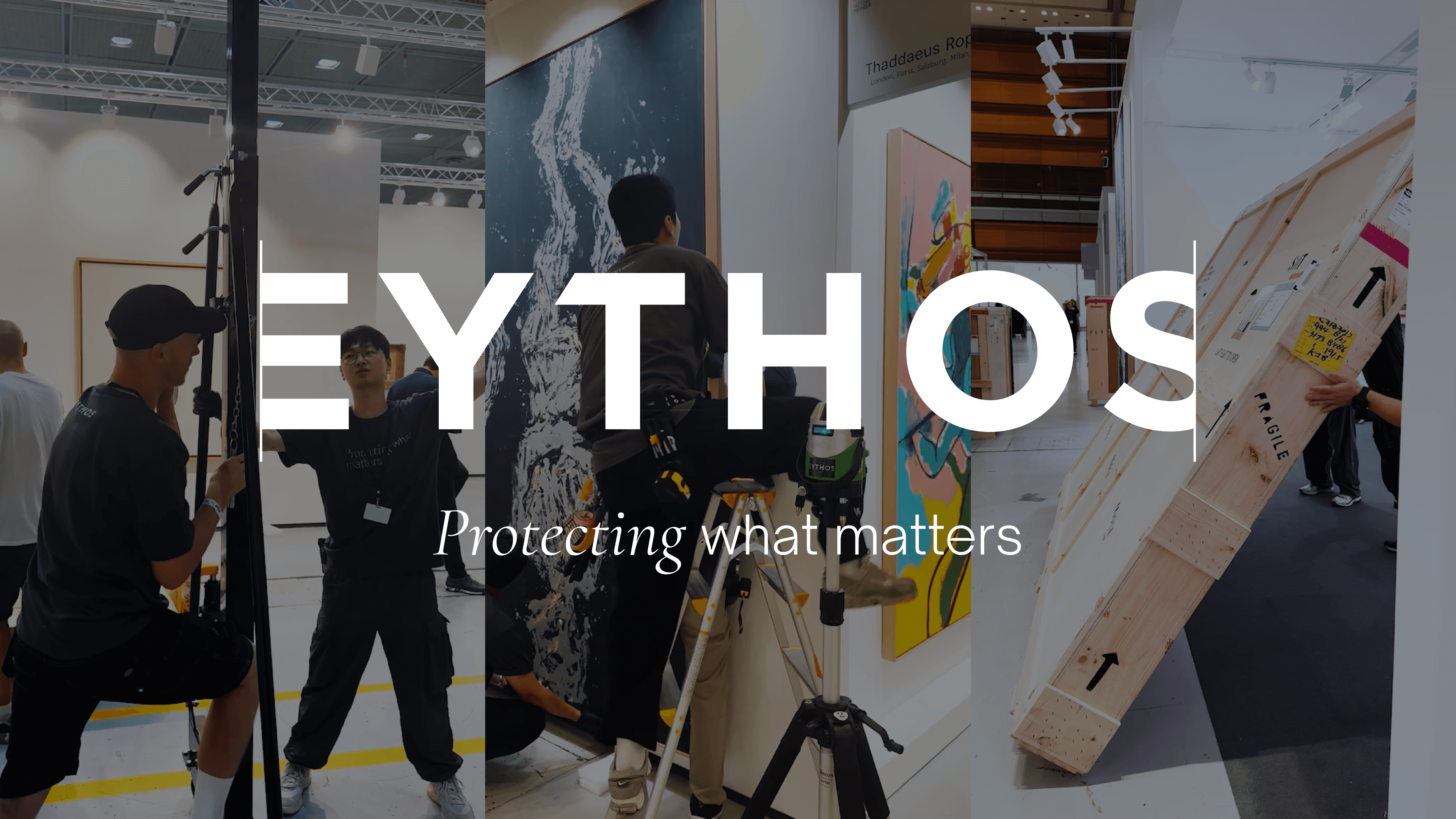
Landmark Collaboration with Hong Kong International Airport
Best practices
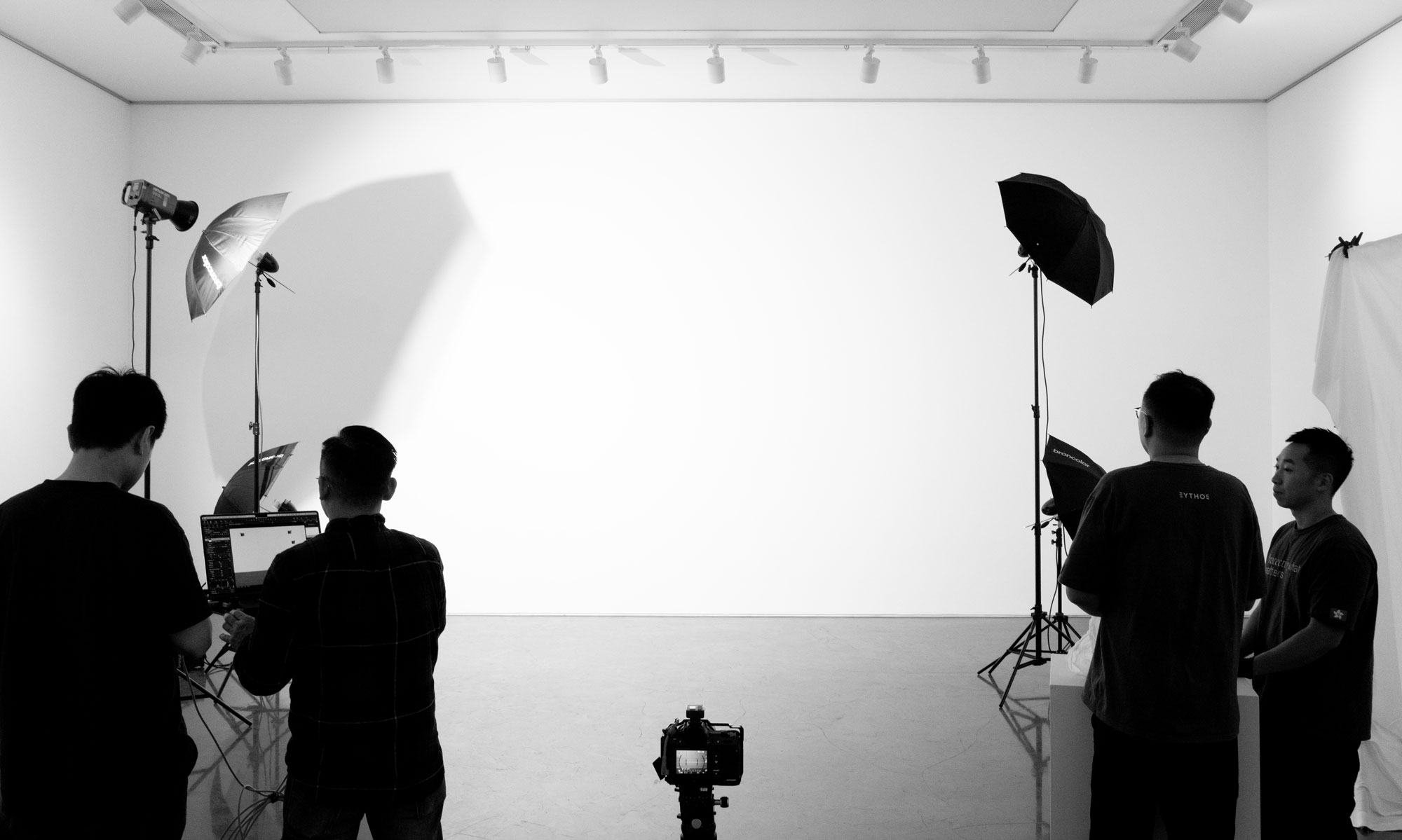
Artwork's Digital Passport: The Science of Condition Reporting

Irene Wang
Best practices
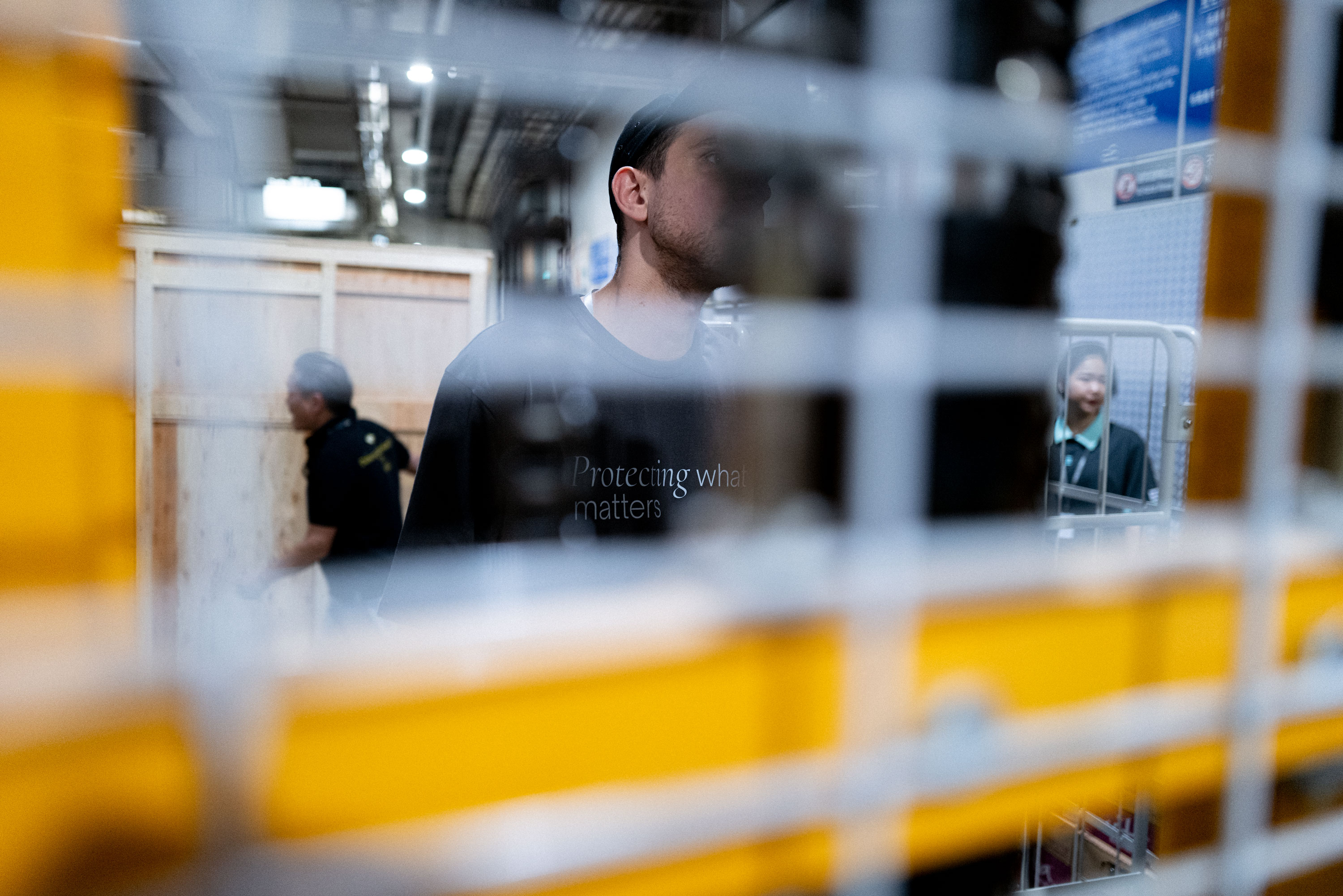
No More Shipping Headaches by Applying Proven Protocols
Best practices
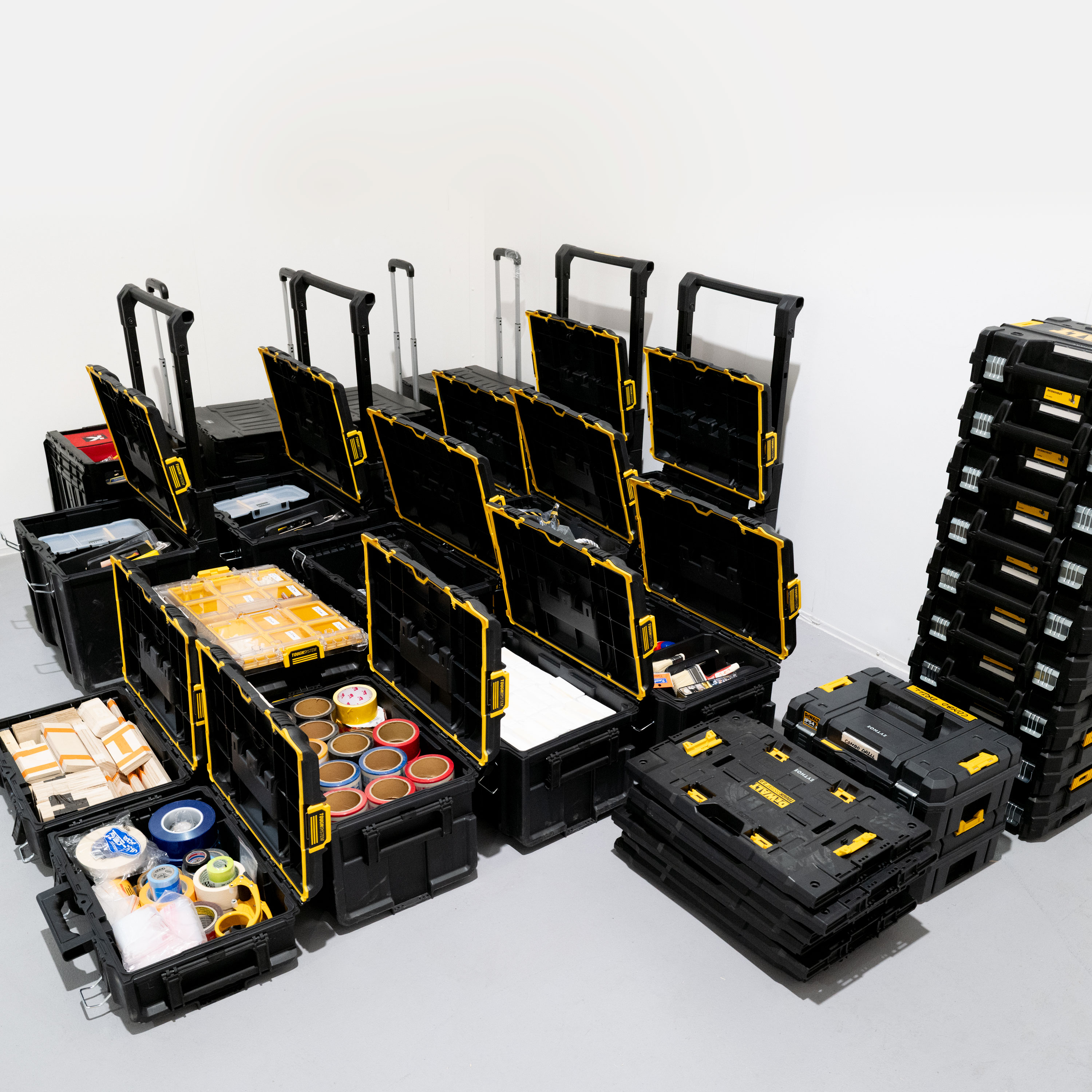
Art Fair Survival Guide: Mastering Logistics from Load-In to Teardown
Alex Kang
Eythos news
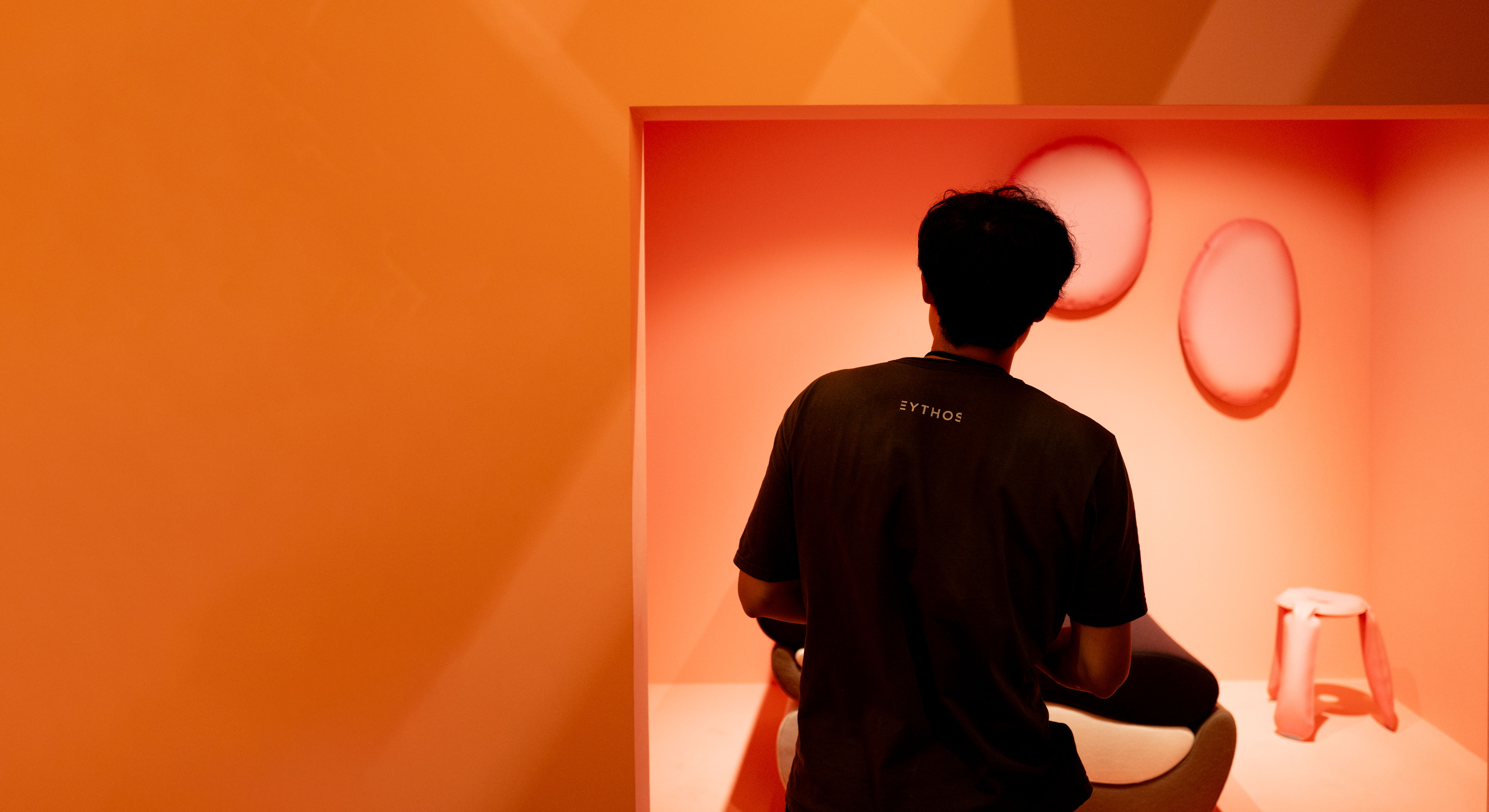
Maison et Objet Hong Kong 2025
Rudy Bottin
Installations
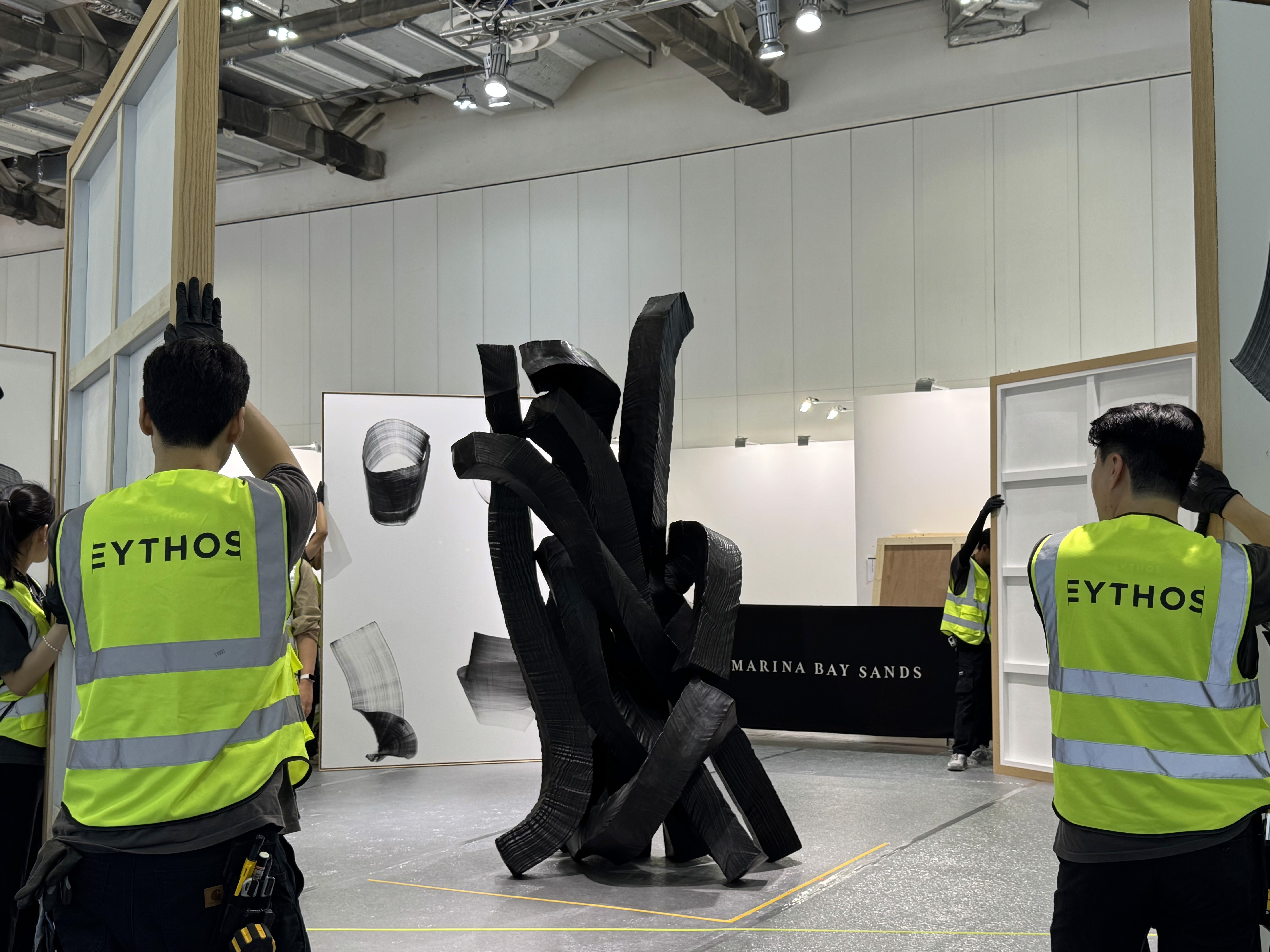
Heavy Lifting at Art SG

Violin Laurent
Best practices
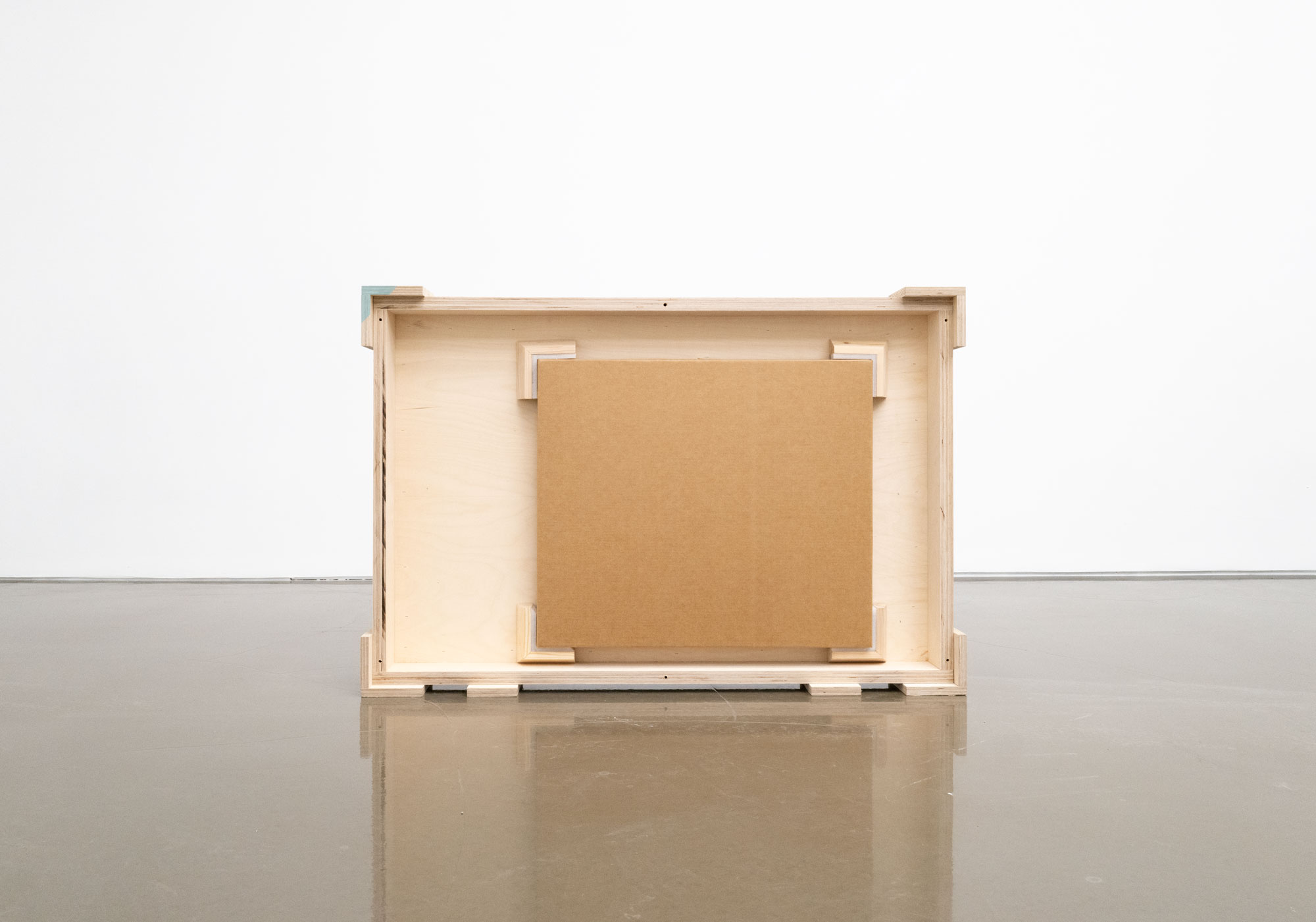
Soft Packing vs. Crating: When Do You Really Need a Wooden Crate?
Samuel Nieto
Eythos news
ESG’s commitments and memberships
Rudy Bottin
Eythos news
What to watch out for in 2026
Zohra Azi
Sustainability
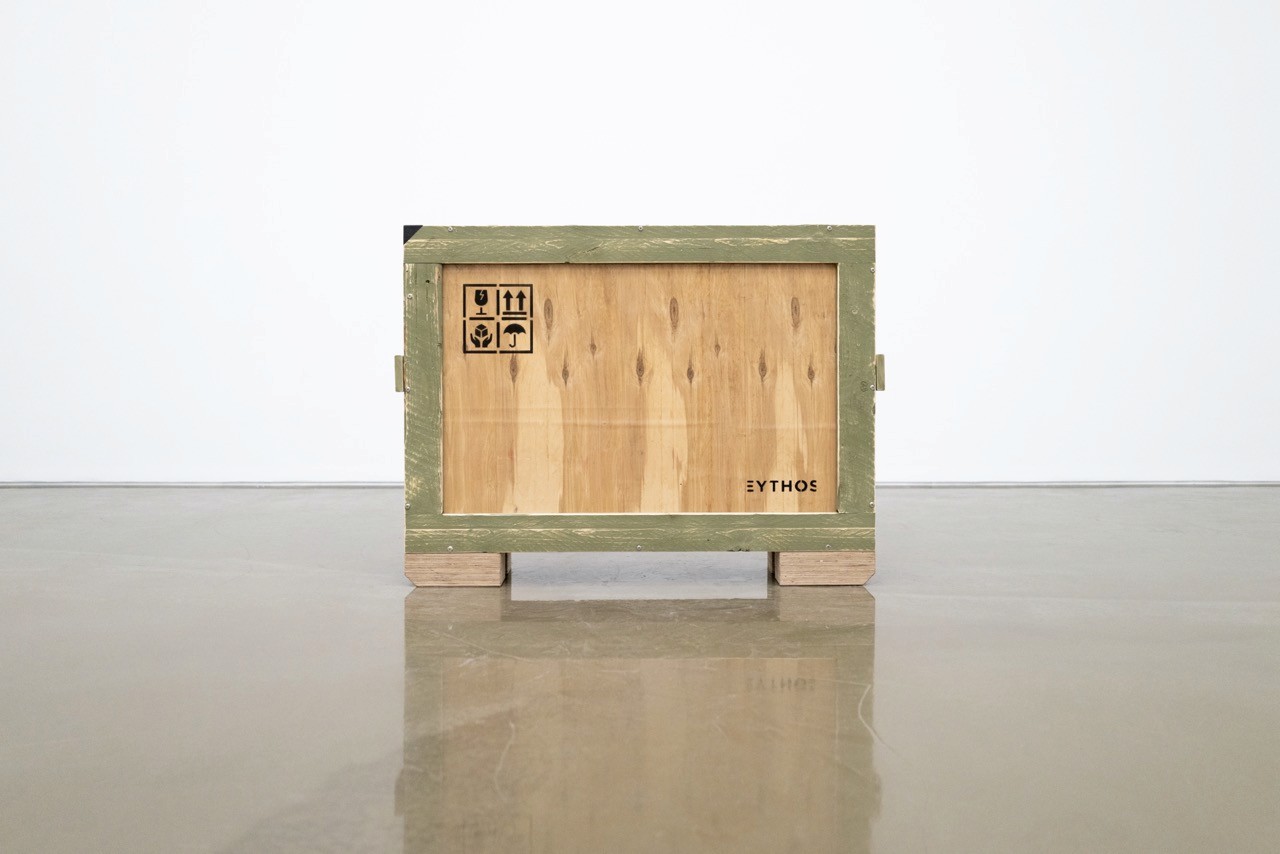
Our Path to Net-Zero by 2035
Rudy Bottin
Installations
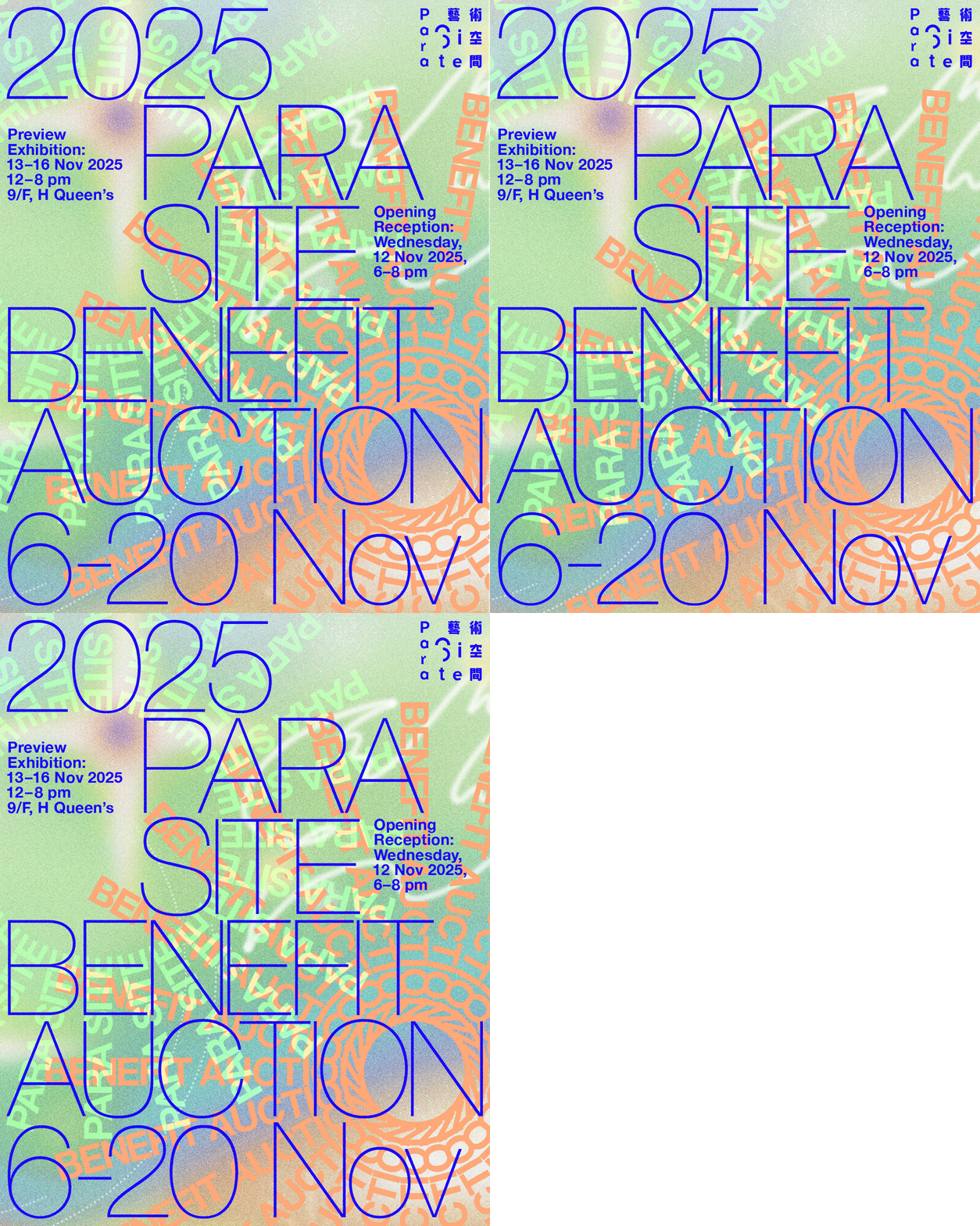
Para Site Benefit Auction & Gala
Irene Wang

Eythos news
New Year, New Market: Official Shipping Partner for Art SG 2026
Installations
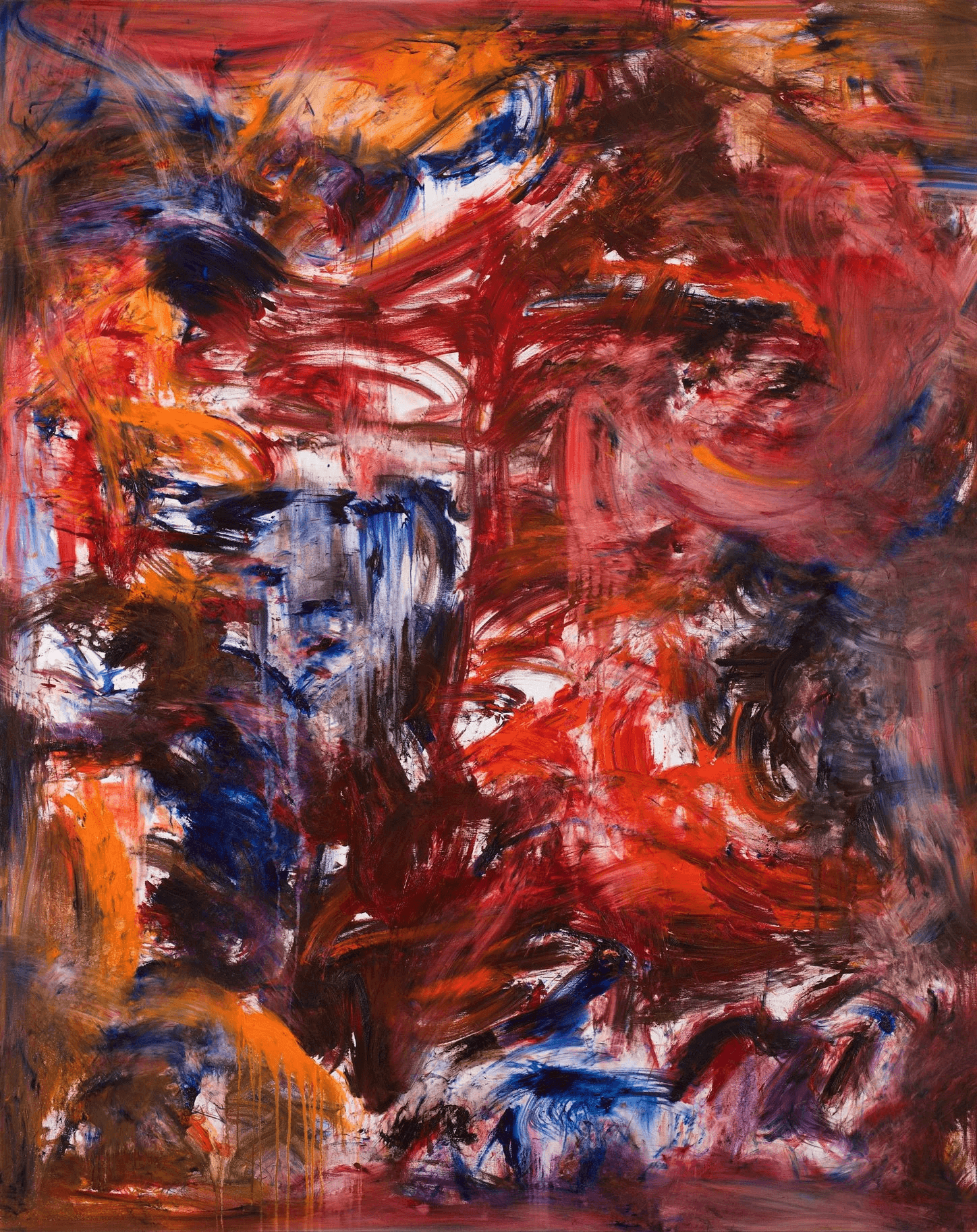
Going Global with Villepin Gallery

Eythos news
Bridging Art and Design with Maison & Objet Intérieurs
Eythos news
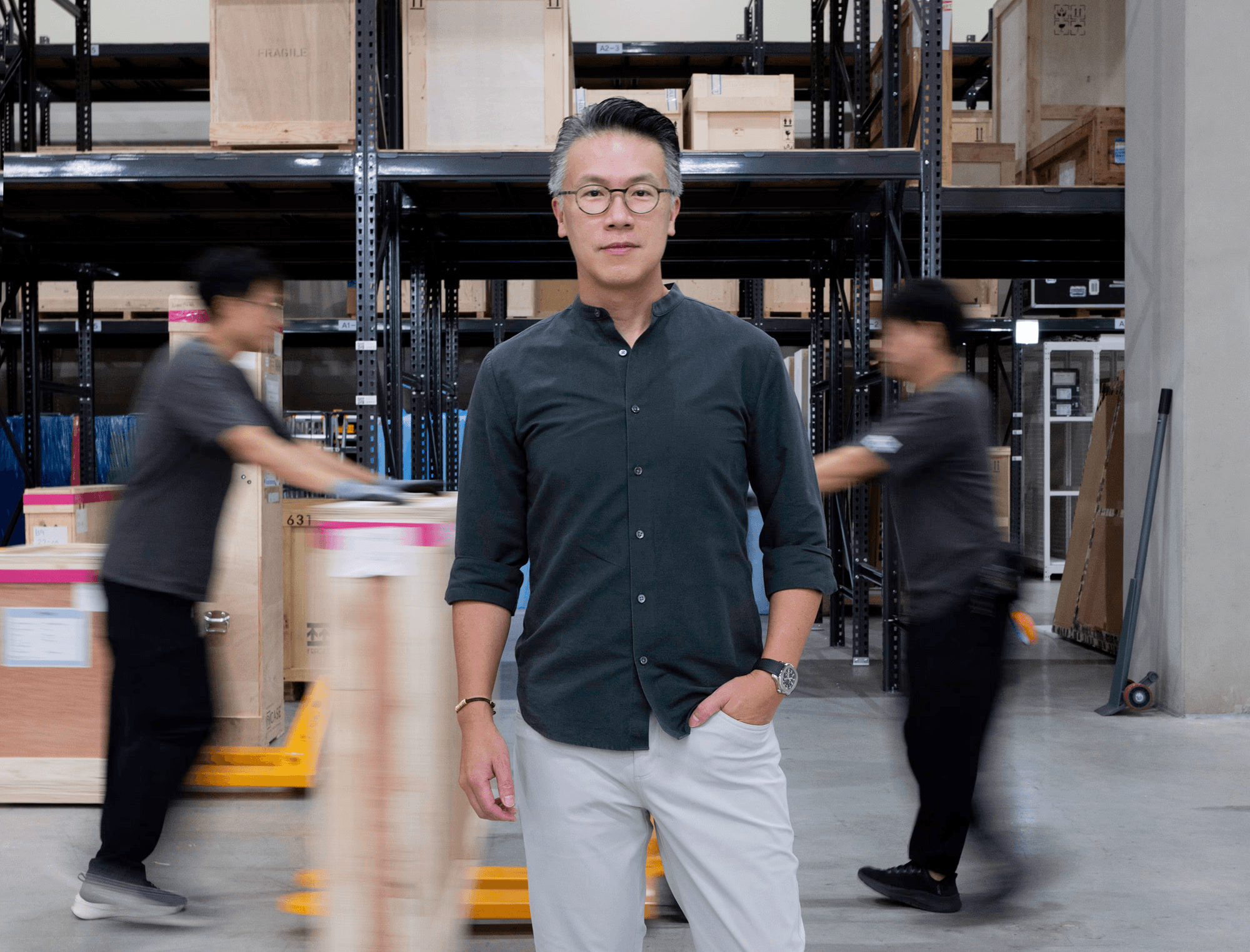
For Eythos, Frieze Proves Art Fair Logistics is an Art Form All Its Own
Eythos news
Eythos × Art Bridge
Installations
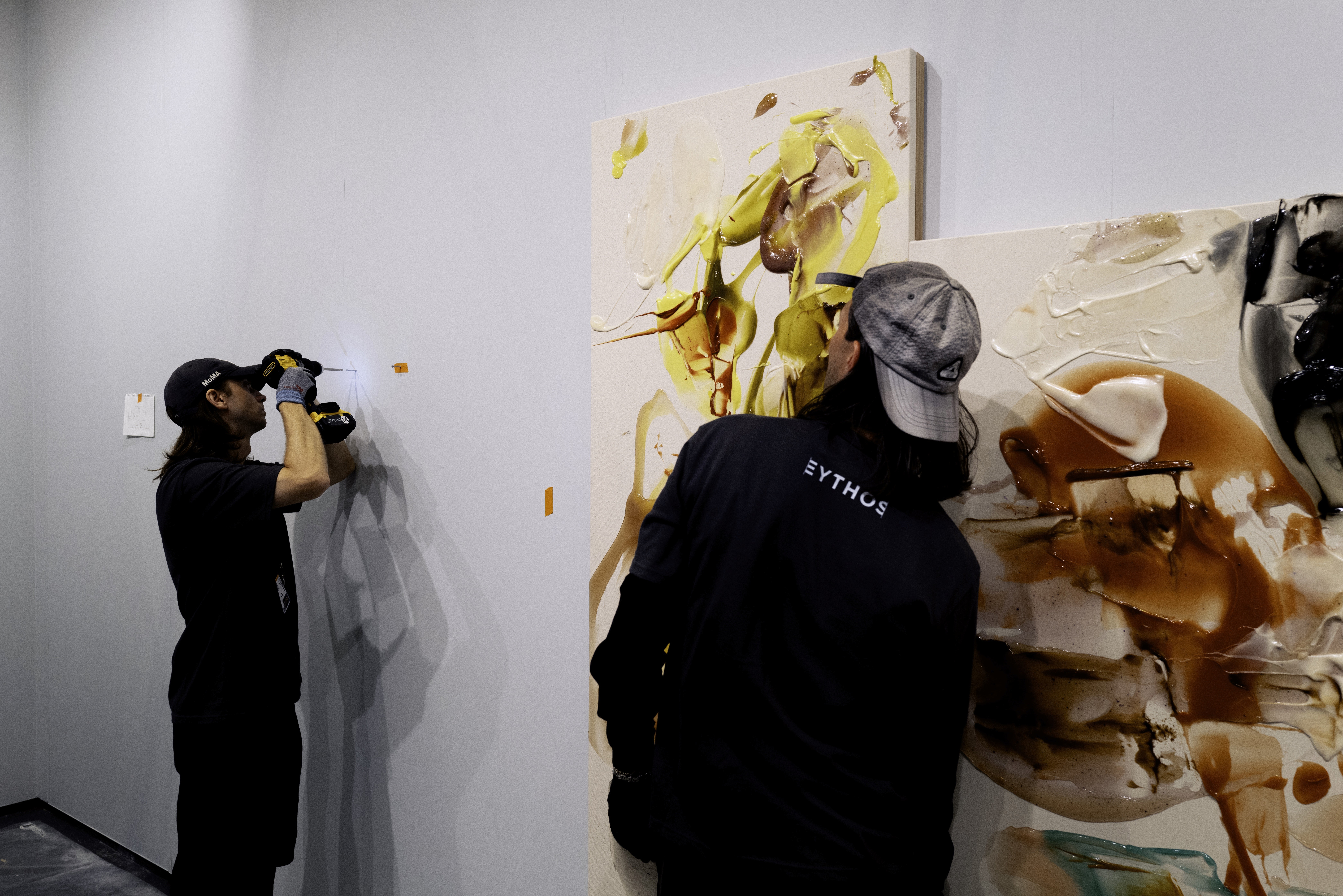
Frieze Seoul & Kiaf 2025
Installations
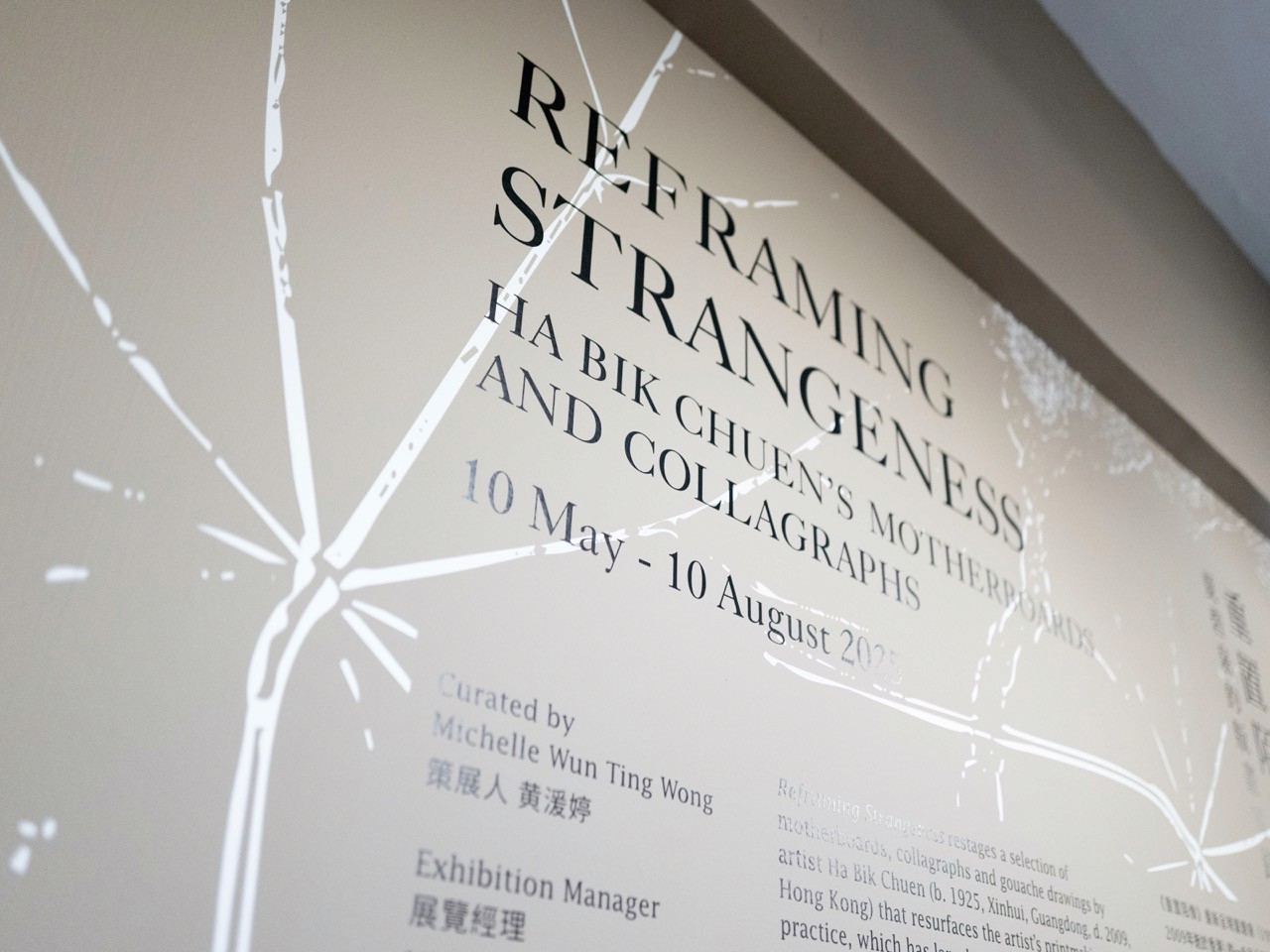
Reframing Strangeness
Irene Wang
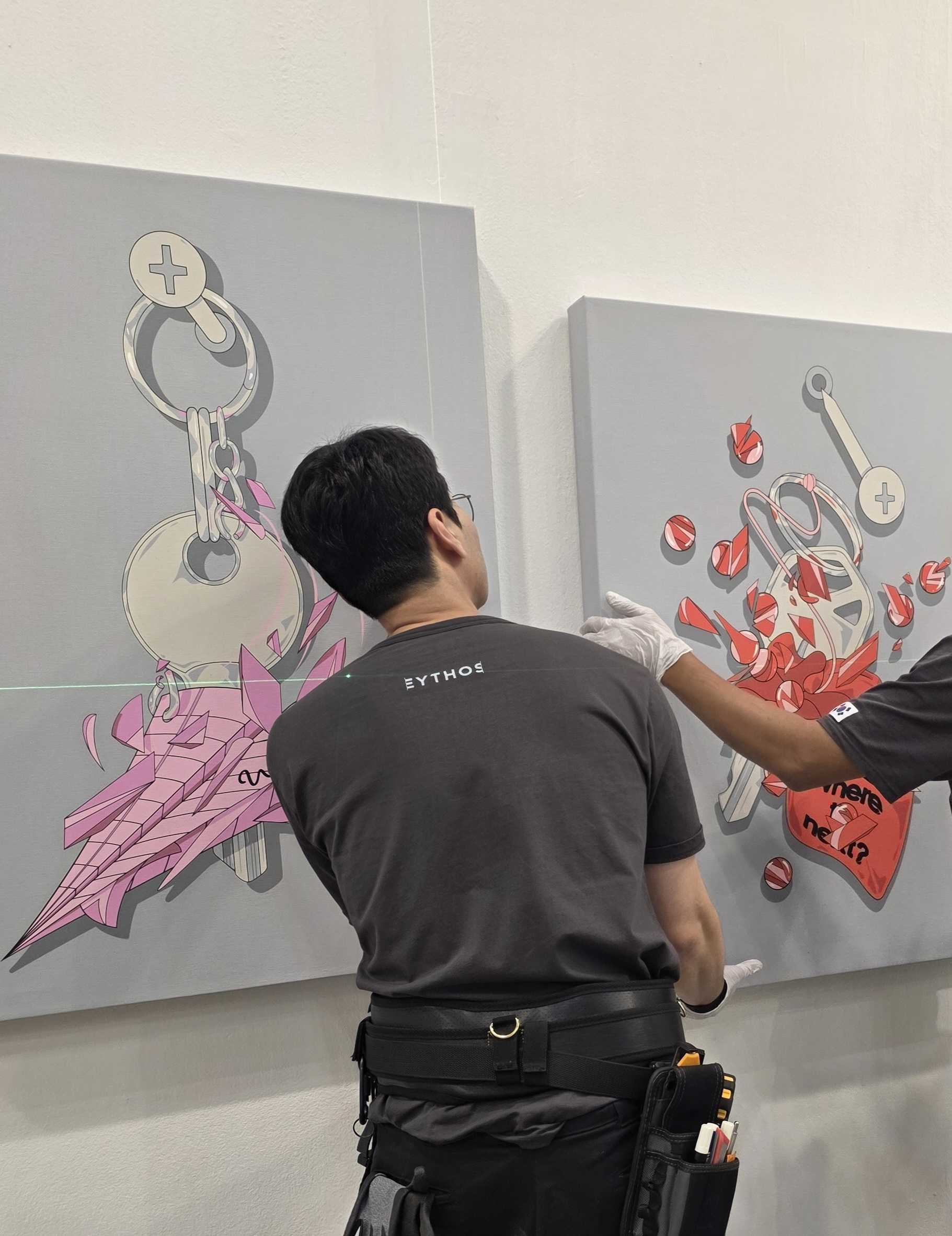
Installations
Art Busan 2025
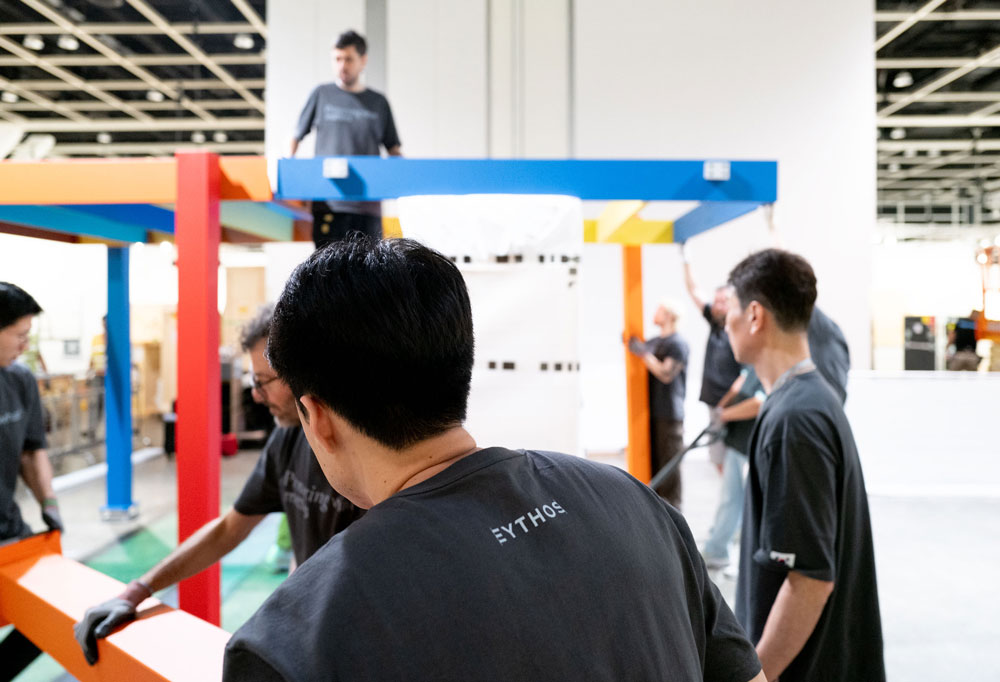
Installations
Art Basel Hong Kong 2025
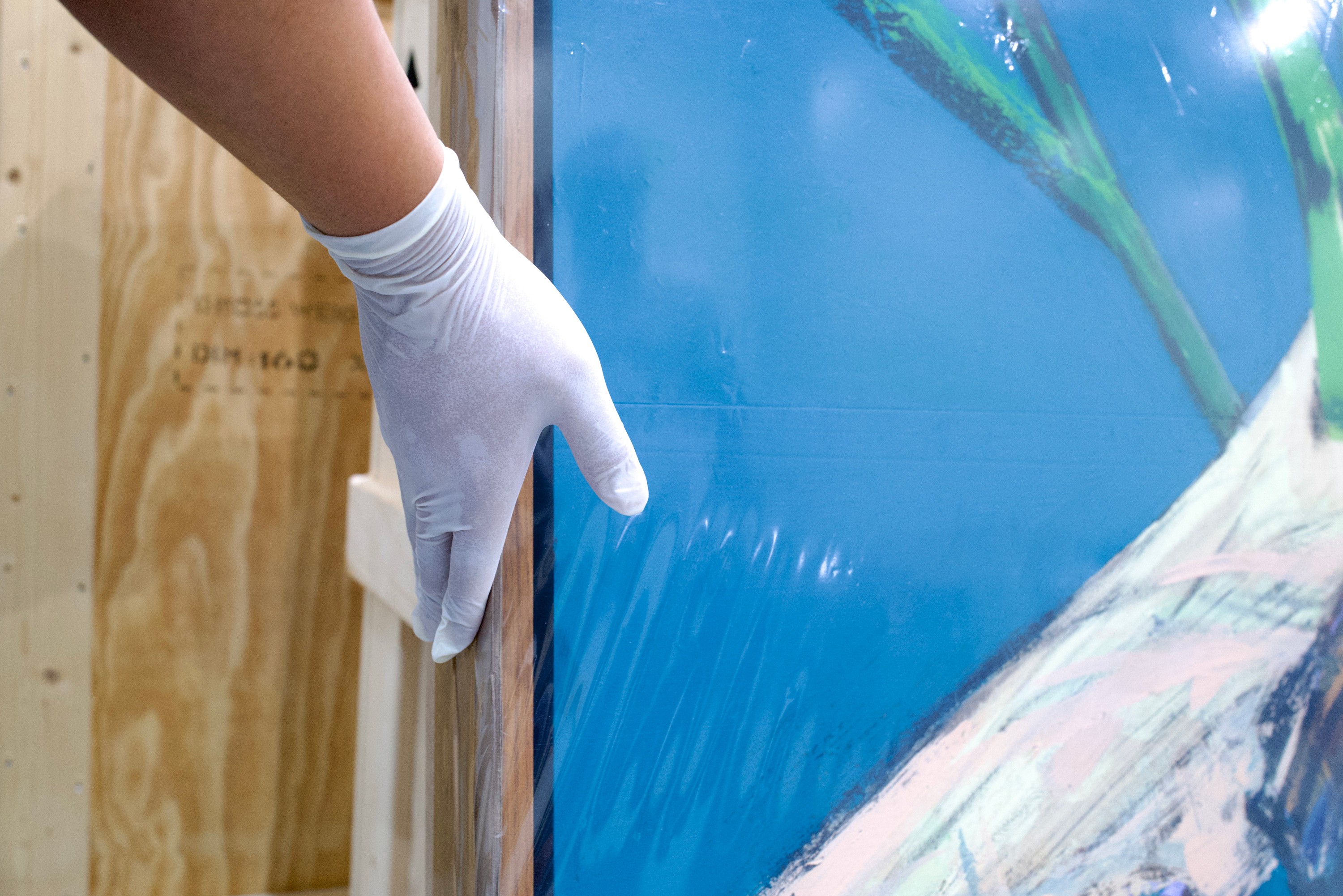
Best practices
5 Tips for Preserving Artworks
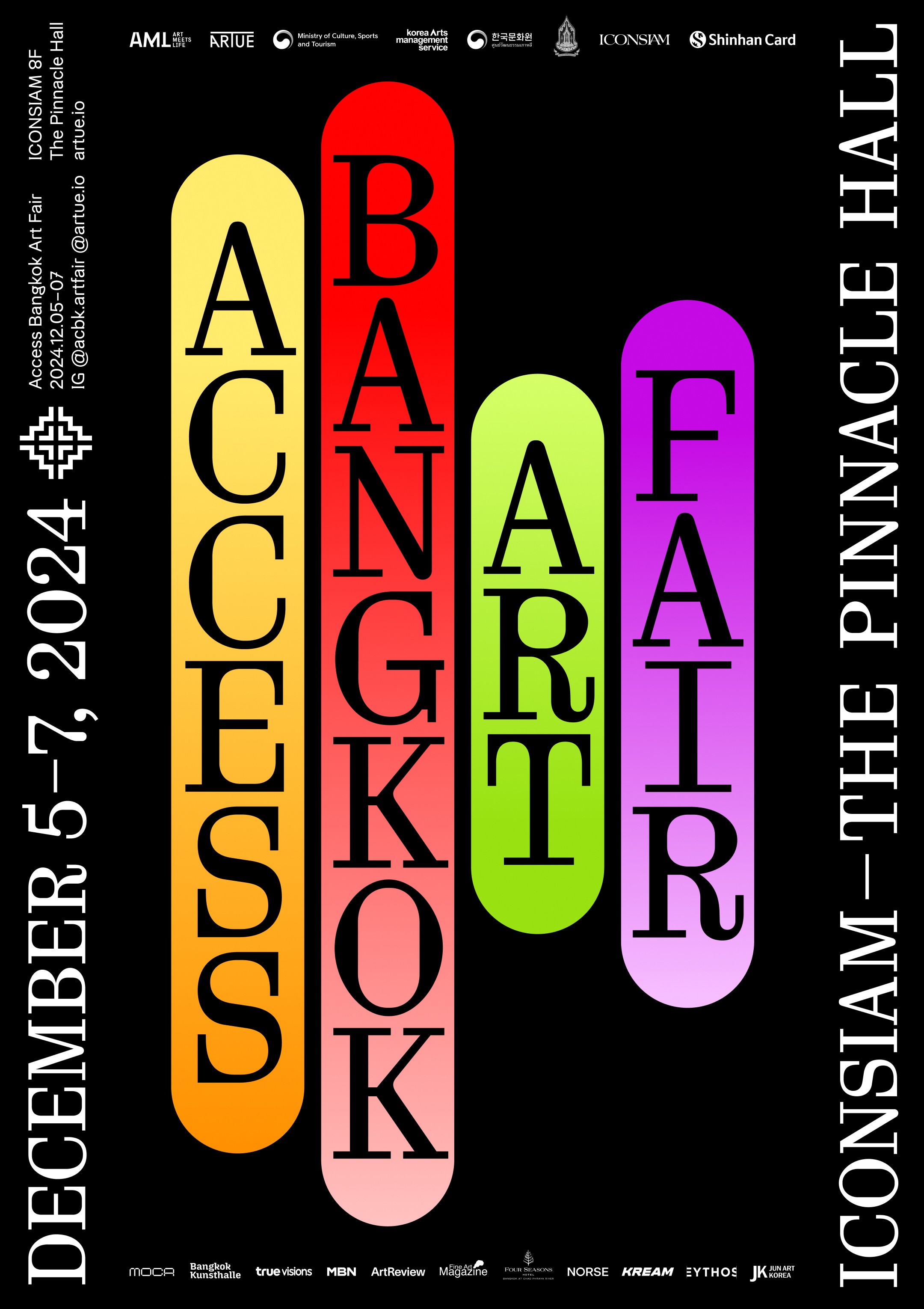
Installations
Access Bangkok 2024
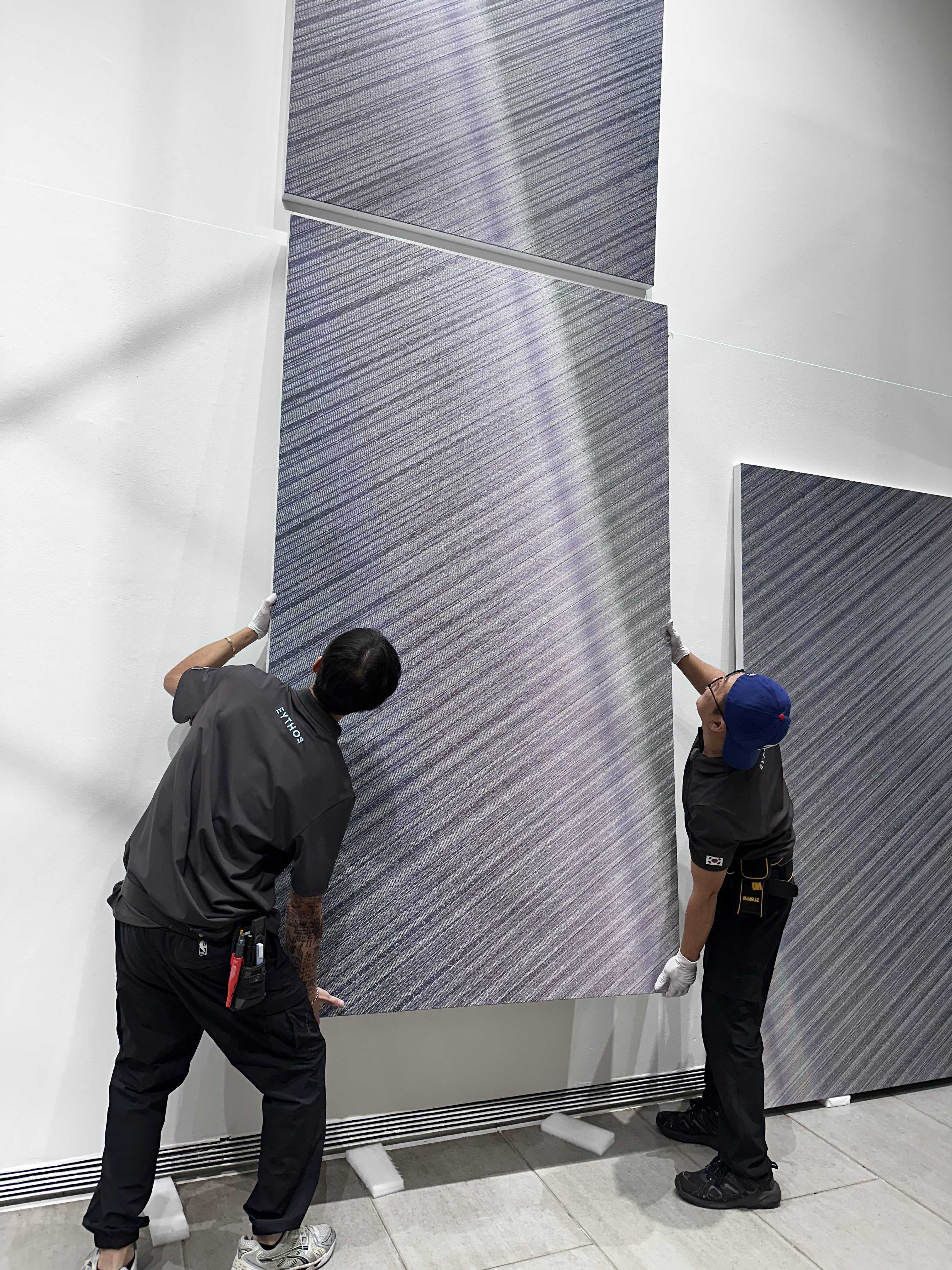
Installations
Ji Keunwook at Seongkok Museum
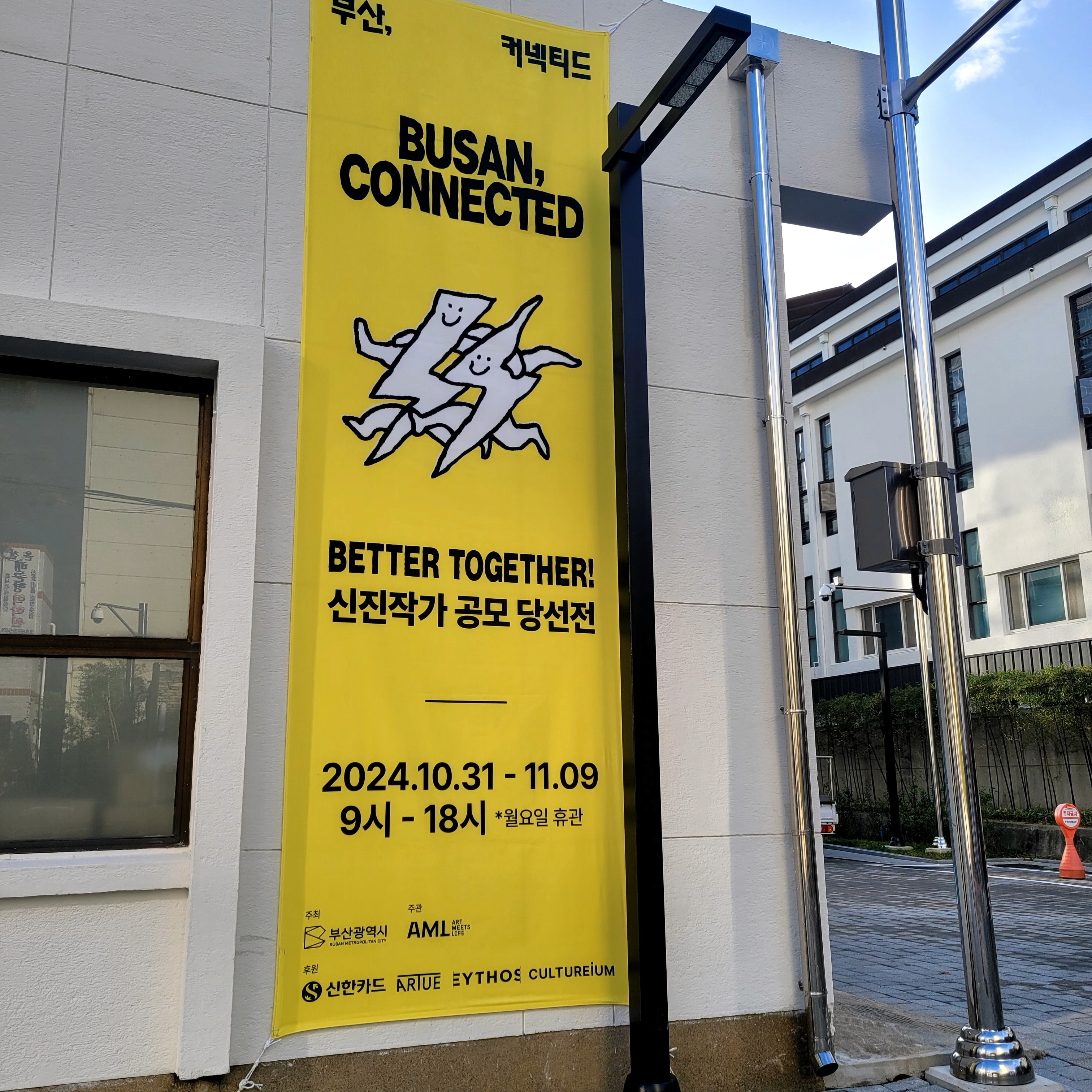
Installations
Busan Connected 2024
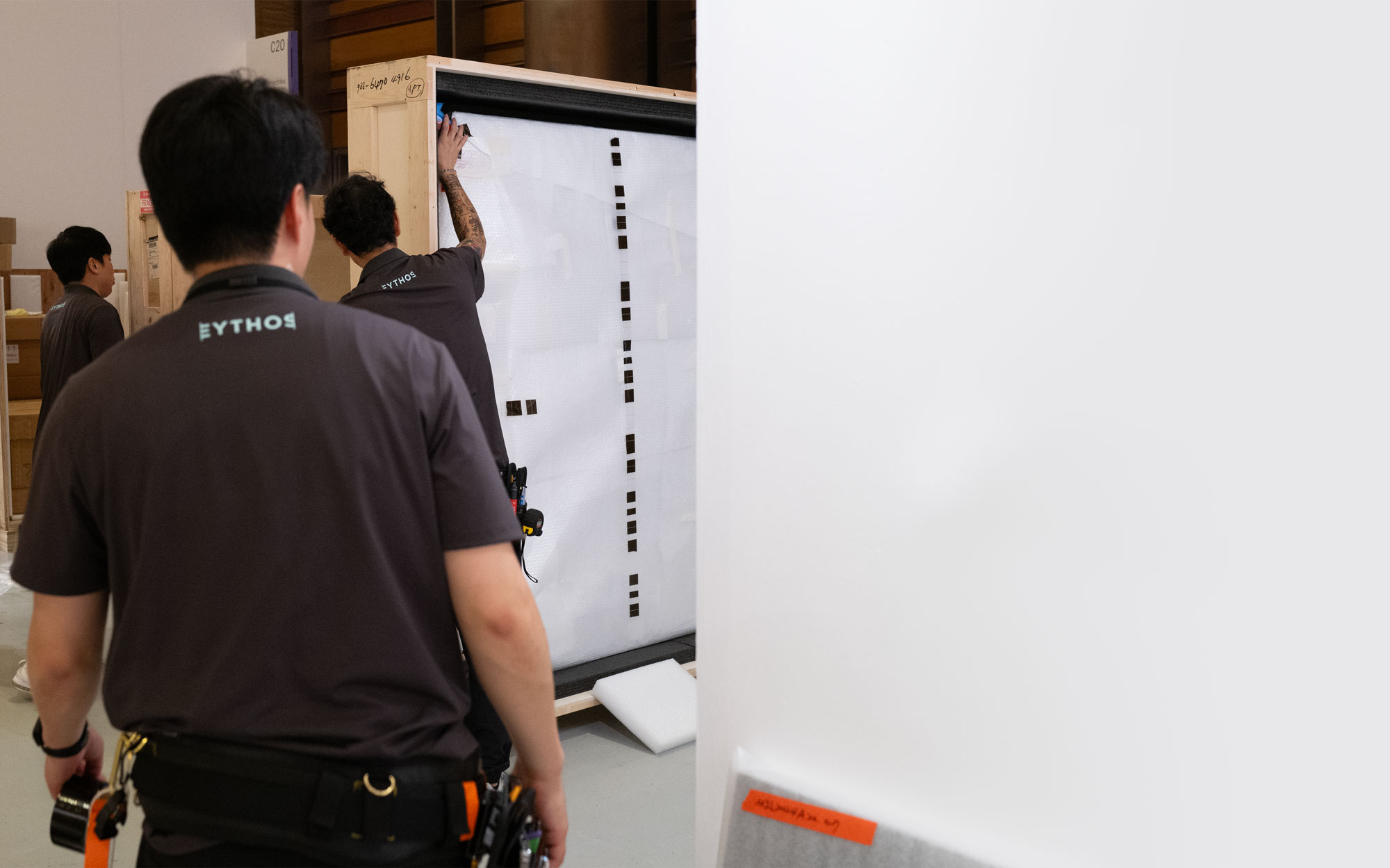
Eythos news
Guardians of Legacies: How we Protect what Matters
Installations
Frieze Seoul & Kiaf 2024
Eythos news
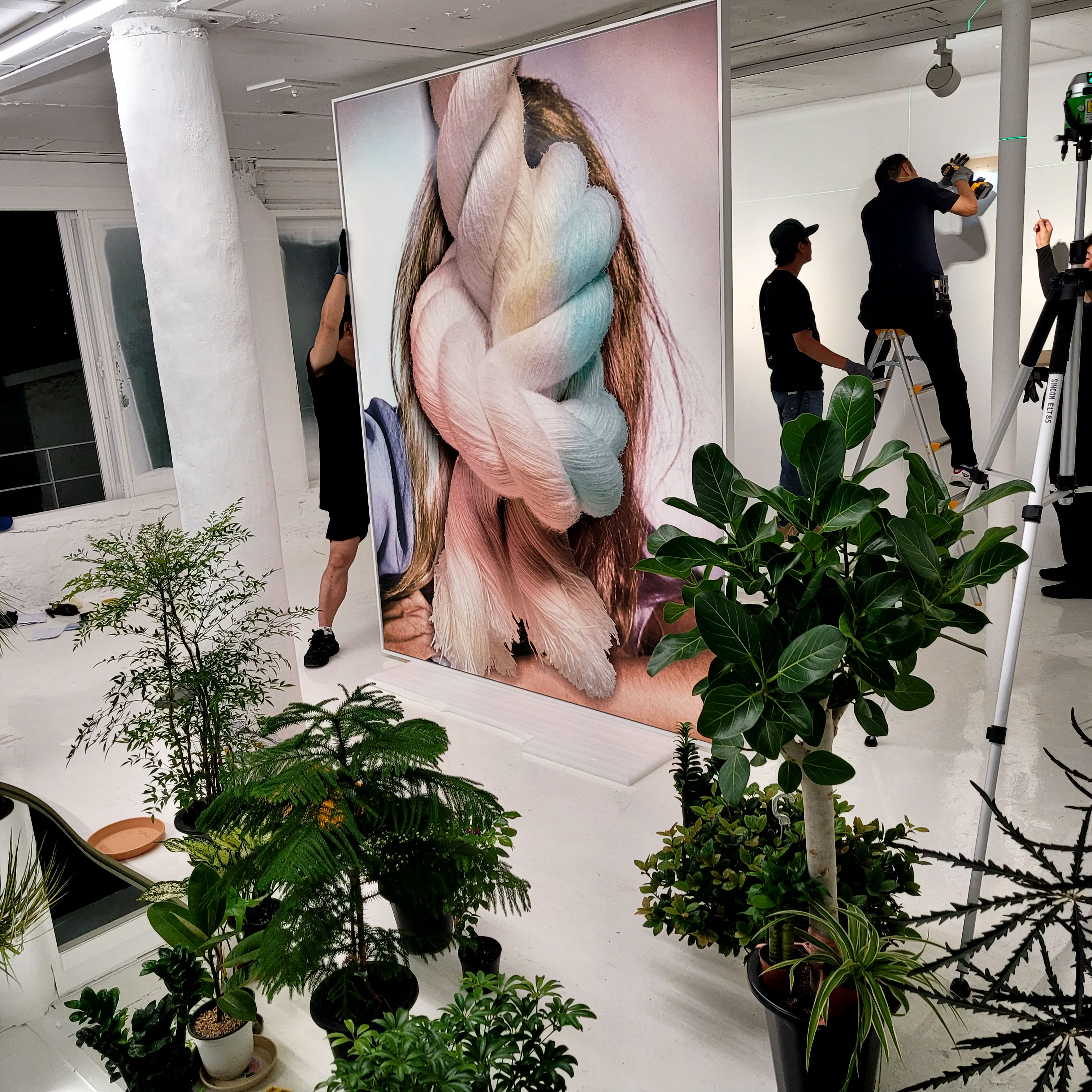
Urs Fischer at Jason Haam

Eythos news
Unveiling Eythos: Our Reason for Being
Best practices
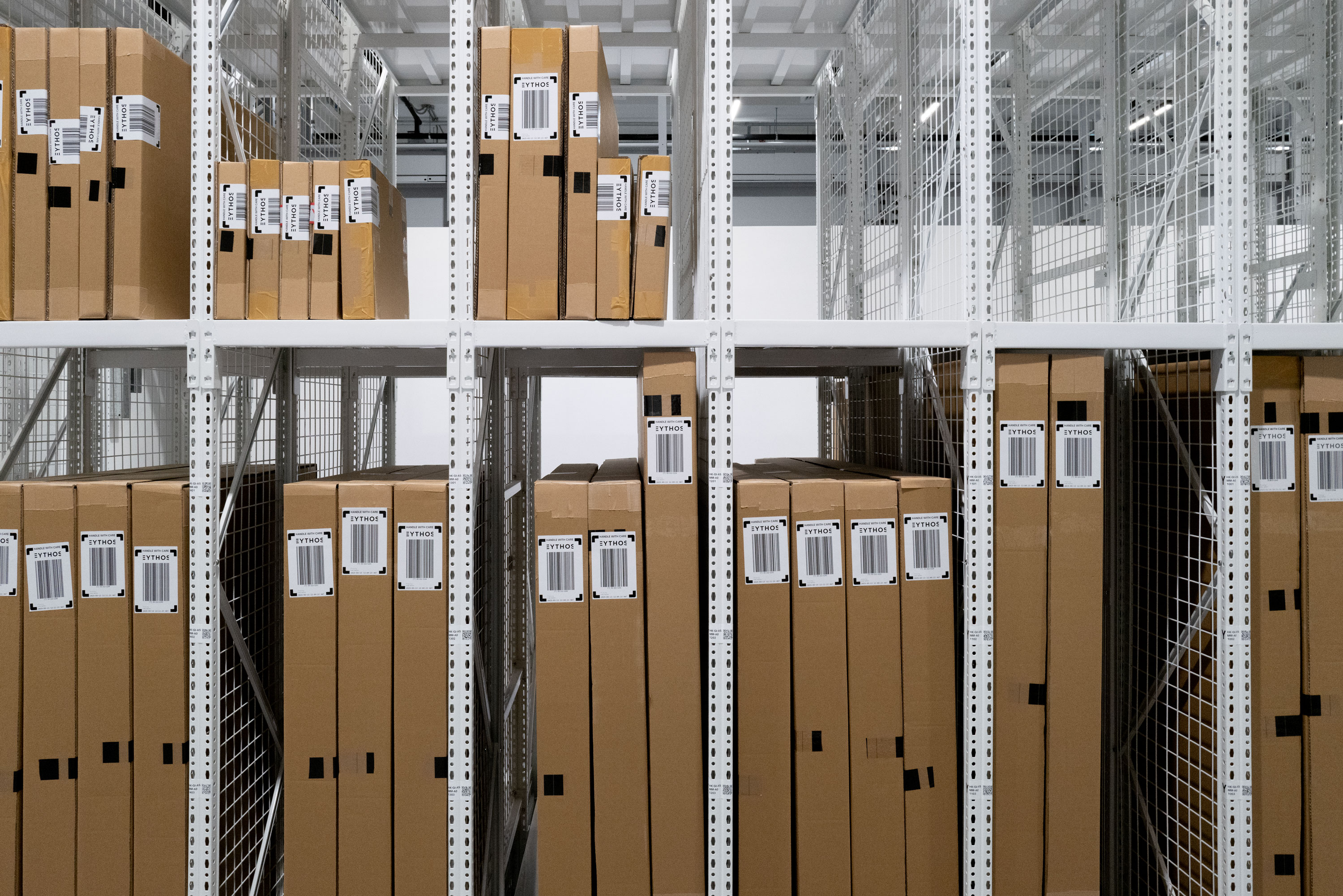
The Silent Protector: Environmental Low-Impact Art Storage
Rudy Bottin

Eythos news
A Retrospective on Eythos' Hong Kong Art Week 2026
Zohra Azi
Eythos news
r é n @ EAST | Art & Community
Zohra Azi
Eythos news
Landmark Collaboration with Hong Kong International Airport
Best practices
Artwork's Digital Passport: The Science of Condition Reporting
Irene Wang
Best practices
No More Shipping Headaches by Applying Proven Protocols
Best practices
Art Fair Survival Guide: Mastering Logistics from Load-In to Teardown
Alex Kang
Eythos news
Maison et Objet Hong Kong 2025
Rudy Bottin
Installations
Heavy Lifting at Art SG
Violin Laurent
Best practices
Soft Packing vs. Crating: When Do You Really Need a Wooden Crate?
Samuel Nieto
Eythos news
ESG’s commitments and memberships
Rudy Bottin
Eythos news
What to watch out for in 2026
Zohra Azi
Sustainability
Our Path to Net-Zero by 2035
Rudy Bottin
Installations
Para Site Benefit Auction & Gala
Irene Wang
Eythos news
New Year, New Market: Official Shipping Partner for Art SG 2026
Installations
Going Global with Villepin Gallery
Eythos news
Bridging Art and Design with Maison & Objet Intérieurs
Eythos news
For Eythos, Frieze Proves Art Fair Logistics is an Art Form All Its Own
Eythos news
Eythos × Art Bridge
Installations
Frieze Seoul & Kiaf 2025
Installations
Reframing Strangeness
Irene Wang
Installations
Art Busan 2025
Installations
Art Basel Hong Kong 2025
Best practices
5 Tips for Preserving Artworks
Installations
Access Bangkok 2024
Installations
Ji Keunwook at Seongkok Museum
Installations
Busan Connected 2024
Eythos news
Guardians of Legacies: How we Protect what Matters
Installations
Frieze Seoul & Kiaf 2024
Eythos news
Urs Fischer at Jason Haam
Eythos news
Unveiling Eythos: Our Reason for Being

Subscribe to our Newsletter
Get updates about our services, products, news and more.
Locations
SKYTOPIA Art and Valuables Storage Facility
Launching 2027
1 Cheong Yip Road
Hong Kong International Airport
Lantau, Hong Kong
Eythos has been an Active Member of Gallery Climate Coalition since 2024.
Subscribe to our Newsletter
Get updates about our services, products, news and more.
Locations
SKYTOPIA Art and Valuables Storage Facility
Launching 2027
1 Cheong Yip Road
Hong Kong International Airport
Lantau, Hong Kong
Eythos has been an Active Member of Gallery Climate Coalition since 2024.
Subscribe to our Newsletter
Get updates about our services, products, news and more.
Locations
SKYTOPIA Art and Valuables Storage Facility
Launching 2027
1 Cheong Yip Road
Hong Kong International Airport
Lantau, Hong Kong
Eythos has been an Active Member of Gallery Climate Coalition since 2024.