The smell of fresh paint, the buzz of the VIP preview, the adrenaline of the first sale—art fairs are the heartbeat of the commercial art world. But behind the champagne and the curation lies the invisible backbone of every successful booth: logistics.
For gallery directors and registrars, the difference between a triumphant fair and a logistical nightmare often comes down to planning. One missing document at customs or one mishandled crate during the frantic load-out can erase the profits of a successful week.
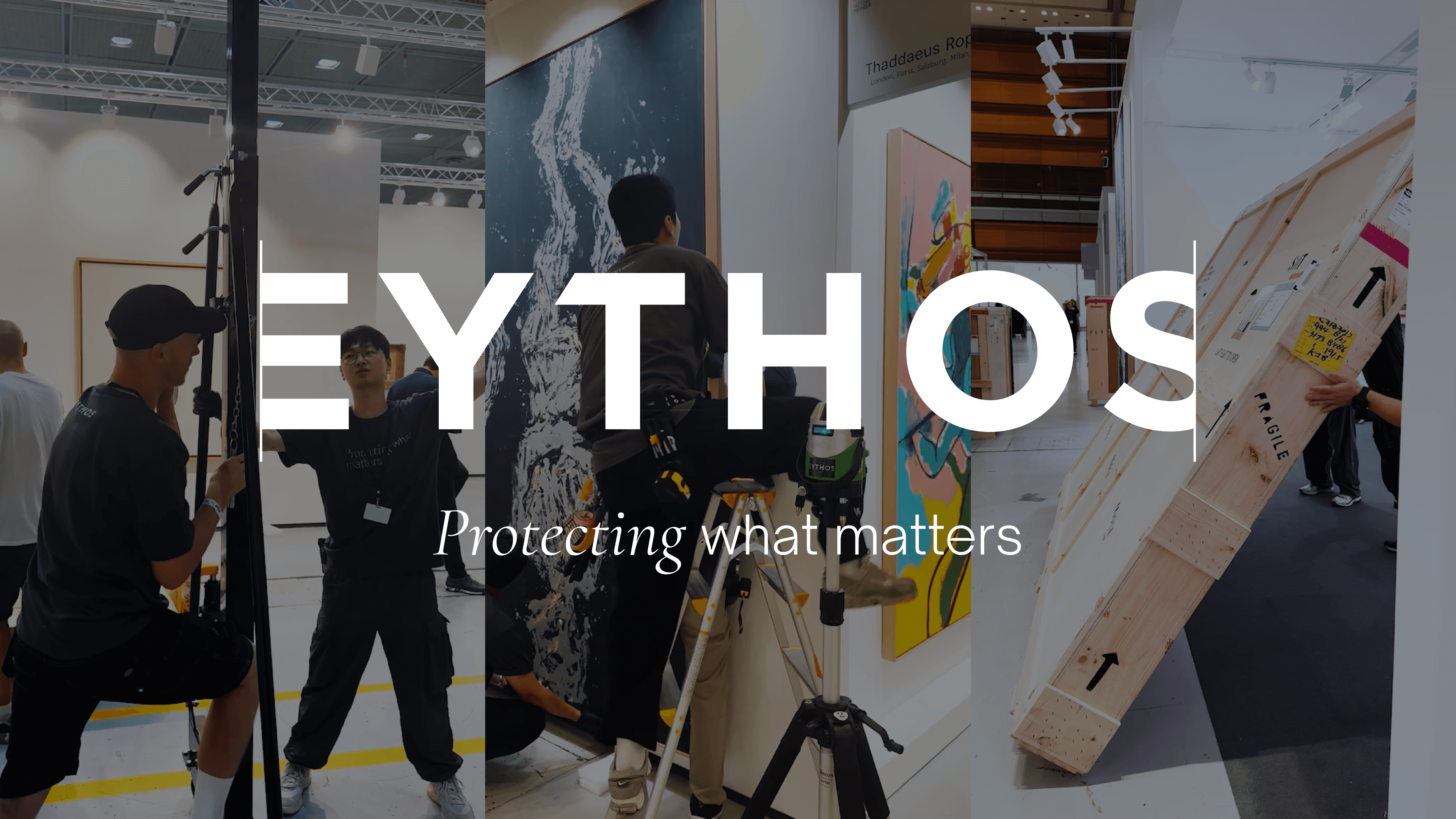
Whether you are preparing for the upcoming Art Basel Hong Kong or Frieze Seoul (Eythos is the Official Shipper for both) or a local expo, this guide covers the essential timeline of fair logistics and how to mitigate risk at every stage.
Phase 1: Setup (6–8 Weeks Out)
The most critical work happens long before the convention centre opens its doors. This is the phase where costs are controlled and disasters are averted.
1. Strategic Consolidation Shipping individual works piecemeal is the fastest way to drain your budget. Coordinate with your logistics partner to utilize consolidated shipments. By sharing sea or air consolidations with other galleries, you significantly reduce costs and carbon footprint.
2. The paperwork mountain International fairs require precise documentation.
Temporary exportation / importation: liaise with your logistics partner to check on the local duties and taxes specifications for example prints and photos in South Korea are bound to duties and taxes when original sculpture and paintings are not)
CITES & restrictions: Are you shipping a work containing rosewood, feathers, or ivory? These require special permits.
Insurance: Ensure your 'nail-to-nail' policy covers the specific transit route and the fair venue itself.
How Eythos Helps: We specialise in navigating the bureaucratic maze of international customs. From importation under bonded status to flagging restricted materials, we ensure your paperwork is as flawless as the art itself.
Phase 2: Loading & Installation
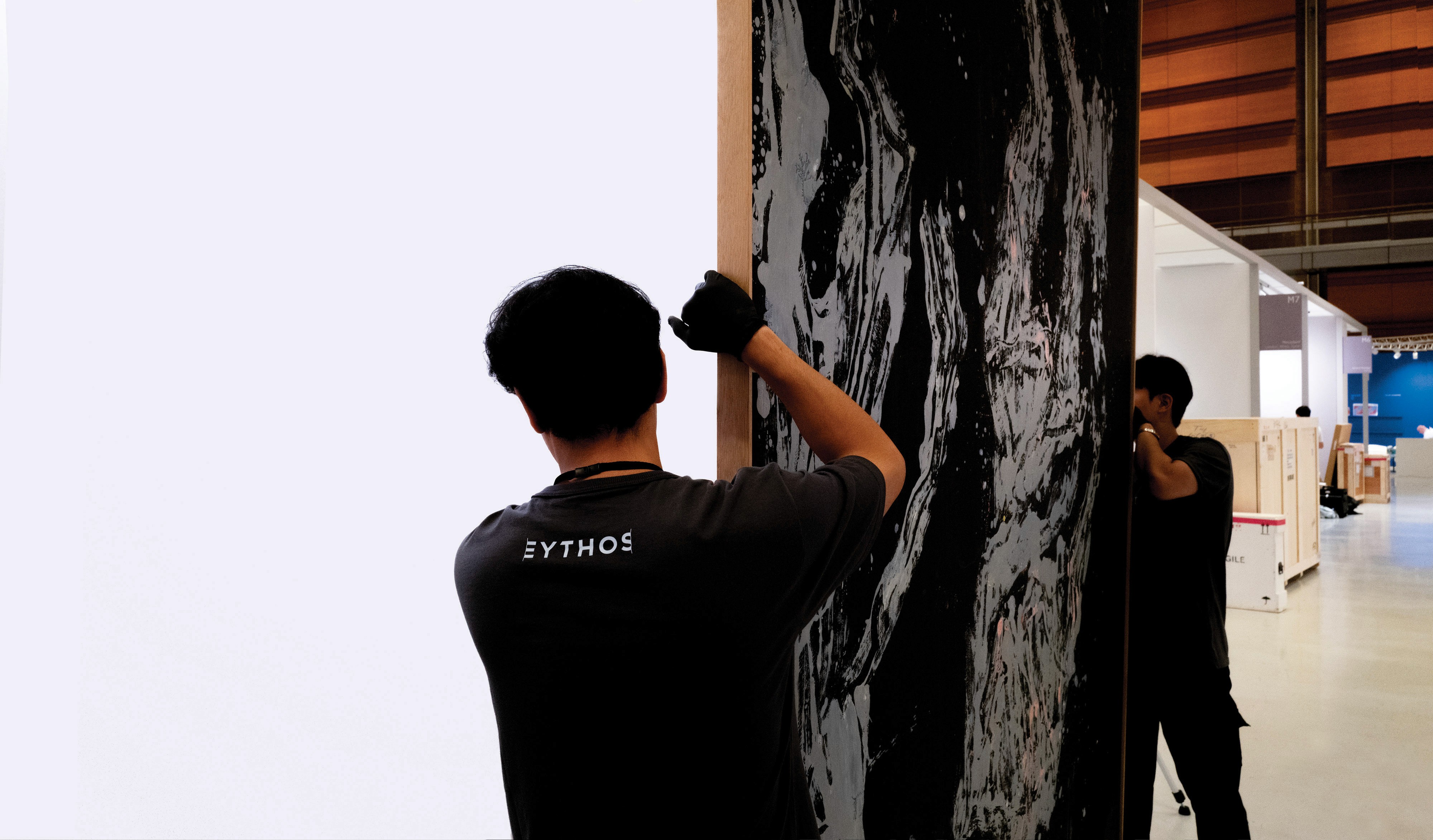
The doors open for exhibitors, and the clock starts ticking. The energy is chaotic, with forklifts, crates, and couriers everywhere.
1. Prioritise your unpack Clear packing lists with photos and dimensions will help the unpacking process (as well as the repacking!)
2. The art of the condition report: do not skip this step. It is tempting to rush when the booth walls are bare, but you must document the condition of the art the moment it leaves the crate. If damage occurred in transit, you need a timestamped record before the piece is hung. At Eythos we use an iPad and we have developed a dedicated tool for quick photo documentation that our art technicians and registrars can use on their phones too.
3. Managing empty crates Once the art is on the wall, the crates need to disappear. Ensure every piece of internal packaging (custom foam, Tyvek, corner blocks) is labeled and placed back inside the correct crate before the crates are taken to off-site storage. Losing your custom packing materials is a headache you don't need during the breakdown.
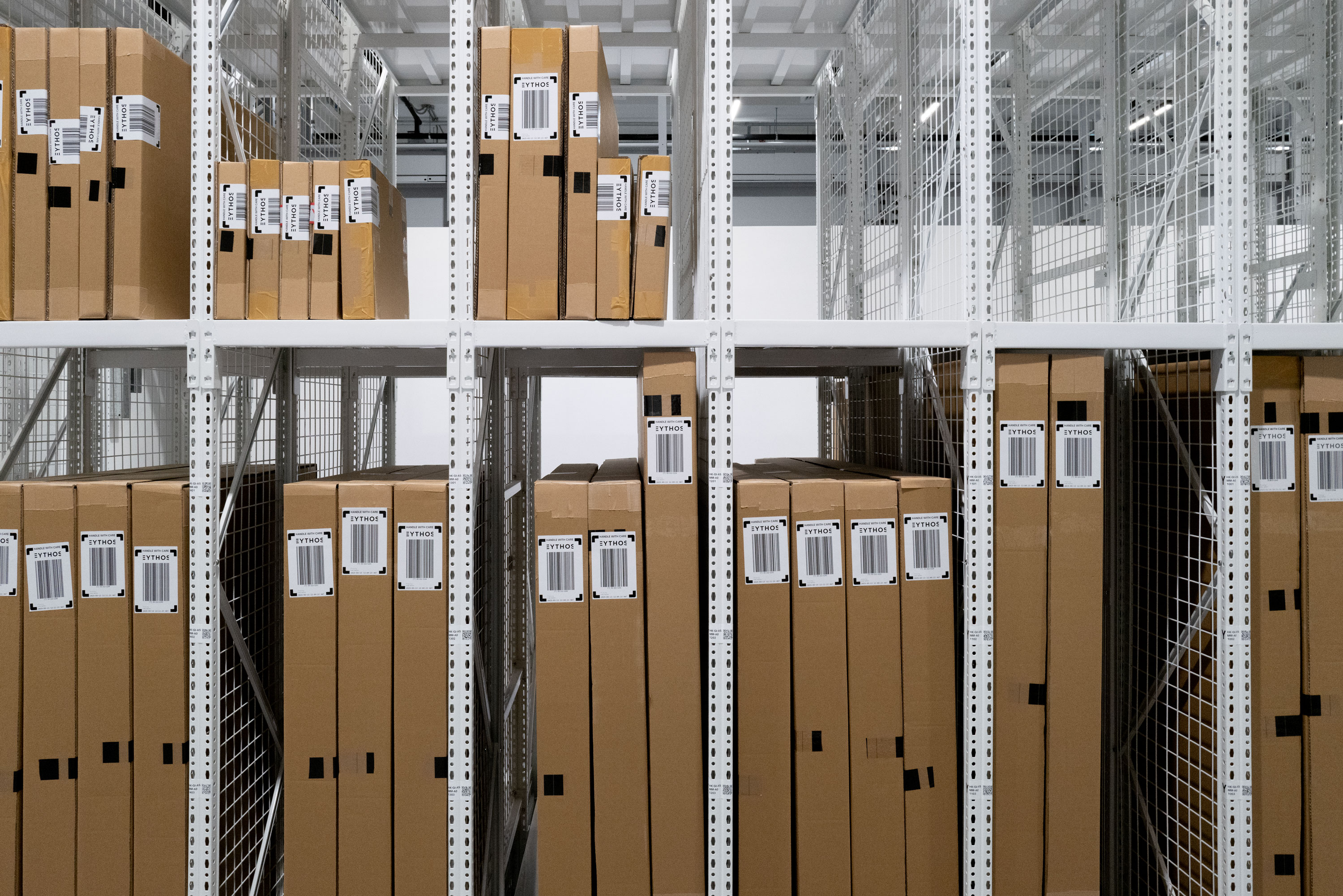
How Eythos helps: We make sure all labelling is done in advance and our proprietary software tracks all crates from our warehouse to the venue and back. We ensure crates are tagged to be empty and we keep a record of which artworks were in it, so our expert art technicians never have to guess which artwork goes where.
Phase 3: During the Fair
The fair is open. The focus shifts to sales, but logistics remain in play.
1. Booth tetris. Gallery booths usually have tiny storage closets. Storing reserve inventory requires careful stacking (face-to-face, back-to-back) using cardboard slipcases or shadow boxes. Avoid leaning raw canvases against one another.
2. Red dot logistics. When a client buys a piece, the logistics conversation should happen immediately.
Does the client want to take the work with them (requiring a release form and payment of import duties and taxes)?
Do they need it shipped to a different country?
Is the sale contingent on a consolidated shipping rate?
Pro tip: Keep a quote request form handy. You can text Eythos the dimensions and destination of a sold piece right from the booth, and we can provide a shipping estimate to help you close the deal on the spot.
Phase 4: De-install (The Danger Zone)
Statistically, this is when most accidents happen. It is Sunday night, the team is exhausted, and the rush to catch flights leads to mistakes.
1. Separate church and state Before a single painting comes off the wall, clearly designate two staging areas:
Sold works: Going to new destinations (requires new labels and shipping manifests).
Unsold works: Returning to the gallery/storage (requires matching to original packing list).
2. Don’t rush the re-pack This is where a professional team is invaluable. Re-packing requires the same care as the initial pack even though there is usually less time allocated. Ensure that 'Tyvek works' are wrapped in Tyvek, not plastic, and that sculptures are reseated perfectly in their custom foam cavities.
The Gallery’s Go-Bag Checklist
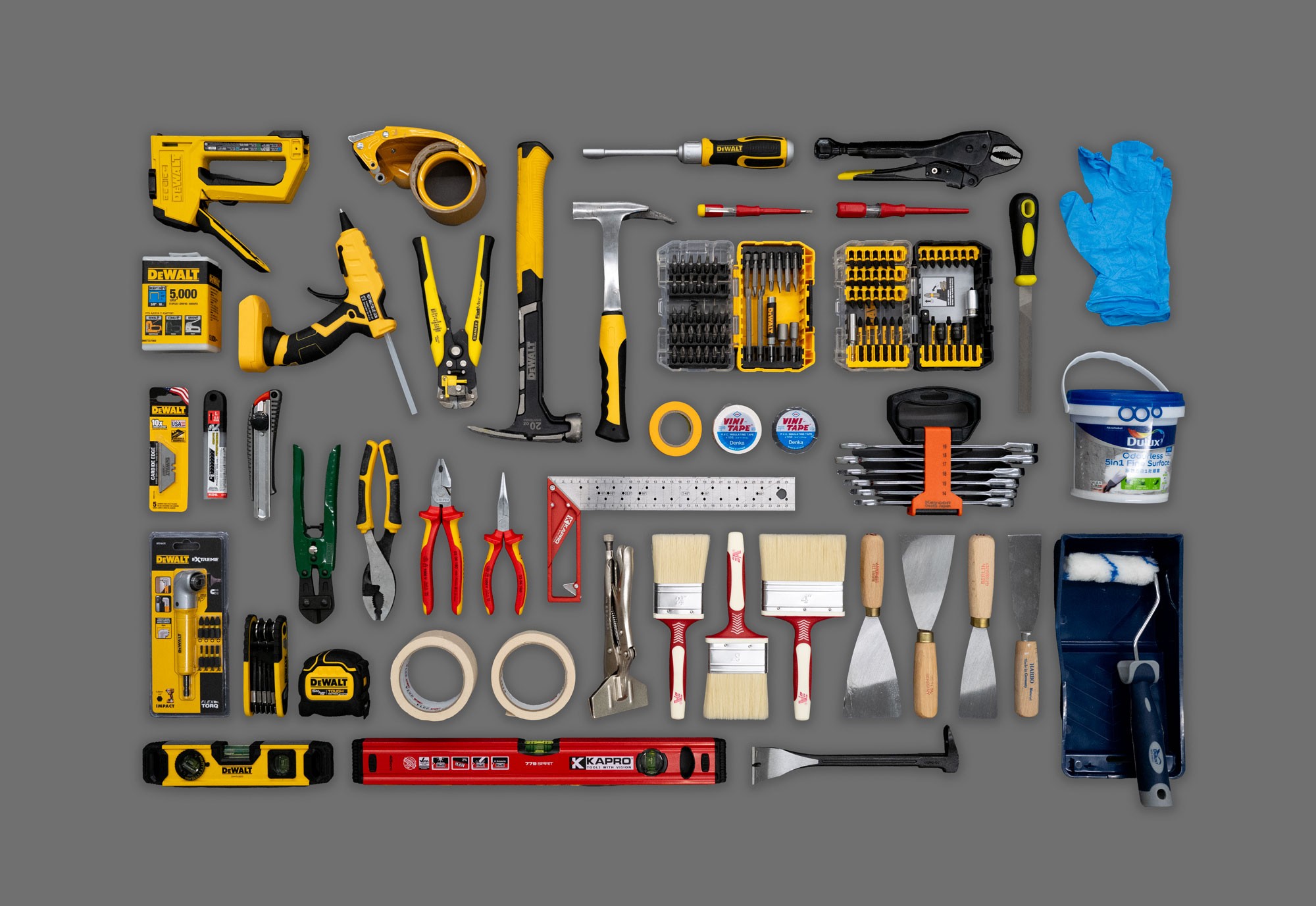
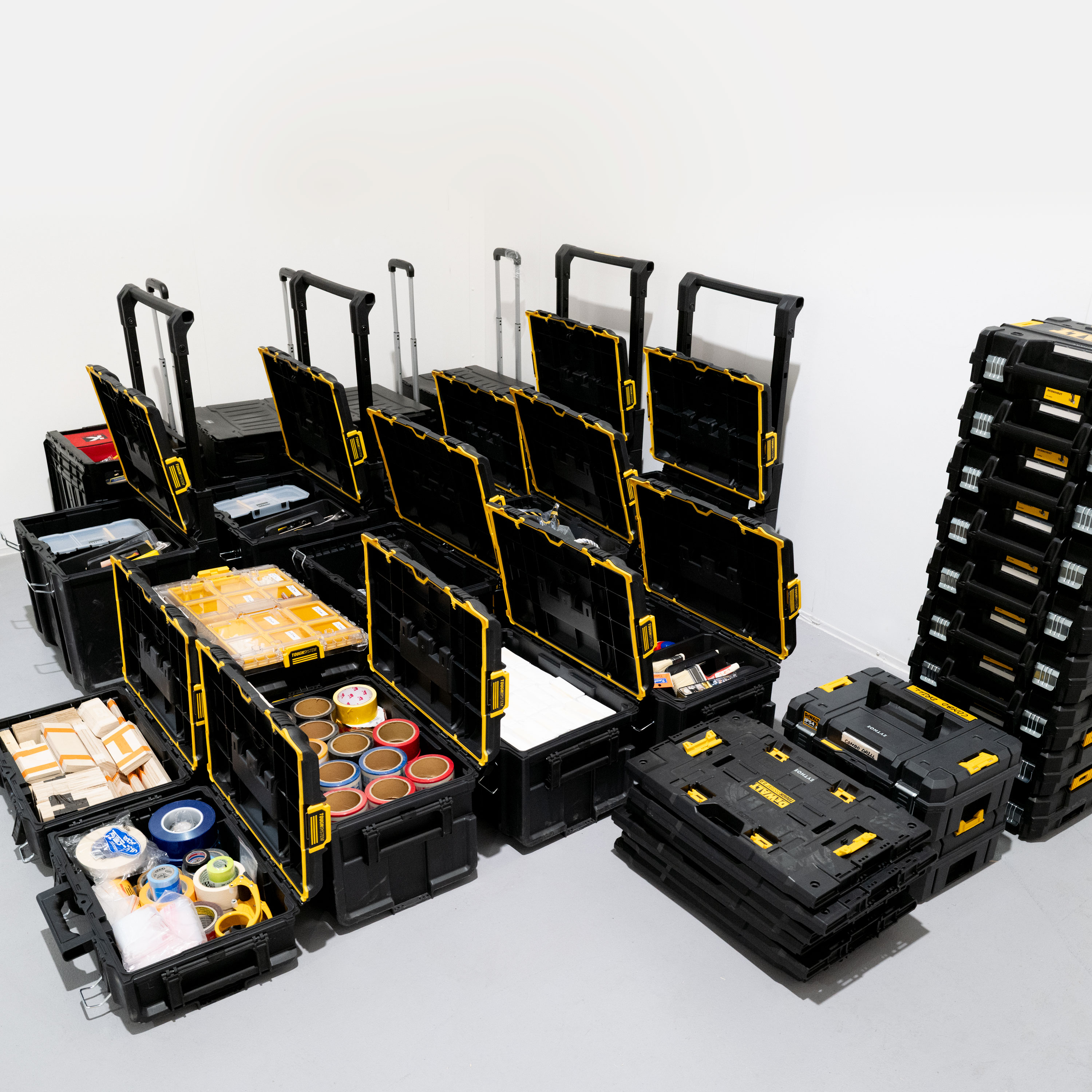
While Eythos will come prepared with all the tools you will need, it’s a smart idea to have your team carry a smaller, specialised kit containing:
Box cutters and high-quality scissors
Blue painter’s tape (wall-safe) and clear packing tape
Nitrile gloves (at Eythos we like to use black ones, but they come in other colours too)
A laser measure and spirit level
A portable battery pack for charging phones/tablets
Sharpies and extra "Do Not Touch" signage
An art fair is a marathon that feels like a sprint. While your team focuses on curating the booth and networking with collectors, you need a partner who is obsessed with the safety of your assets.
At Eythos, we view ourselves as an extension of your gallery. From the initial crate construction and customs filings to the white-glove installation and final load-out, we handle the heavy lifting so you can focus on the art.
Planning your next fair? Contact Eythos today to discuss a logistics strategy that protects your art and your bottom line.
Eythos is official shipper of Art Basel Hong Kong 2026.

Alex Kang
Global Head of Operations
Stop overthinking, start overdoing
More